

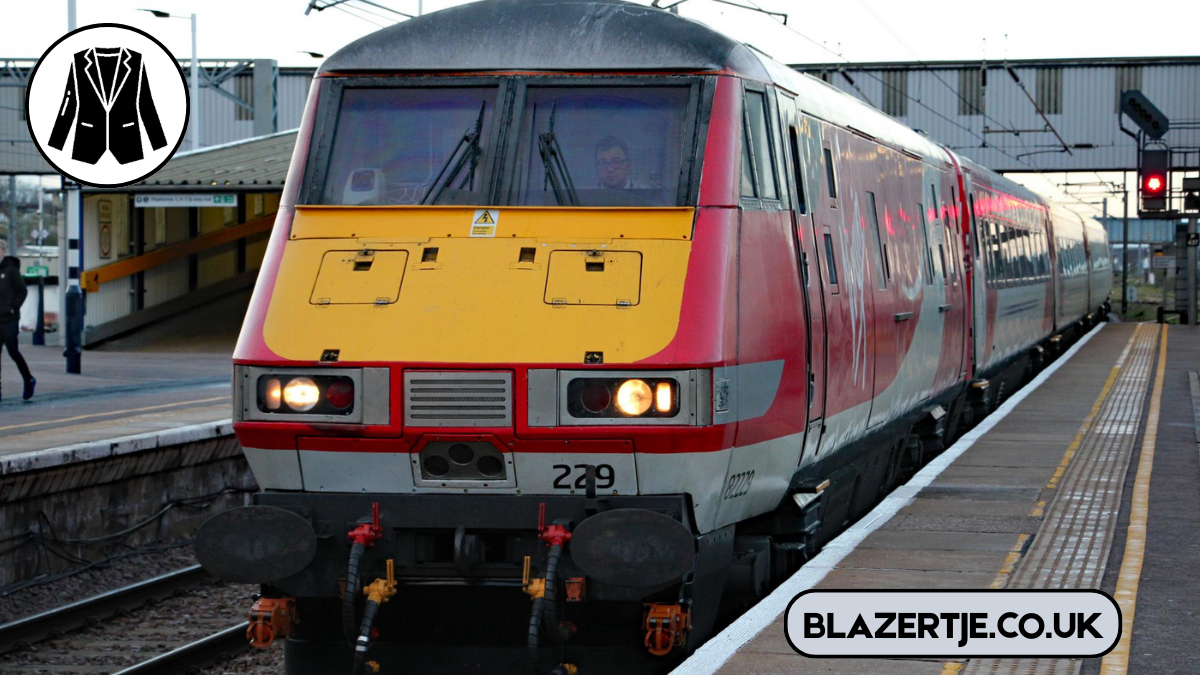
The intercity 225 refers to the InterCity 225, one of the most iconic electric high-speed trains ever introduced in the United Kingdom. Designed for long-distance express services, it became a flagship of modern British Rail engineering, connecting major cities such as London, Leeds, Newcastle, and Edinburgh. The intercity 225 earned its name from its intended maximum speed of 225 km/h, symbolising speed, efficiency, and progress in UK rail transport.
The intercity 225 is widely recognised for transforming intercity travel during the late 20th century. Built to improve comfort and reduce journey times, it combined advanced electrical traction with aerodynamic design. Even today, the intercity 225 remains an important part of Britain’s rail heritage, continuing to operate on selected routes under London North Eastern Railway, where it still serves passengers with dependable long-distance services.
history and development of intercity 225 trains
The development of the intercity 225 was strongly influenced by earlier experimental projects, particularly the Advanced Passenger Train, which introduced new ideas in high-speed rail technology. Although the APT faced operational challenges, it played a crucial role in shaping the engineering principles that would later define the intercity 225, especially in terms of speed capability and passenger comfort.
When British Rail launched the intercity 225 in the late 1980s, it marked a new era for UK rail services. It was introduced primarily for the East Coast Main Line, offering faster and more efficient journeys between major cities. Over time, the train transitioned through operators such as GNER and later LNER, each maintaining its presence while updating branding and passenger experience standards.
engineering design and performance of intercity 225
At the core of the intercity 225 system is the powerful British Rail Class 91, an electric locomotive designed for high-speed intercity travel. Paired with Mark 4 coaches and a Driving Van Trailer, the train operates in a push-pull configuration, allowing efficient operation without the need to turn the train around at terminal stations. This engineering approach significantly improved operational flexibility and reduced turnaround times.
The intercity 225 was engineered with aerodynamics and stability in mind, enabling smooth performance at high speeds. While its design speed reaches 225 km/h, in real-world operations it typically runs at lower speeds due to track and signalling constraints. Despite this, the train remains one of the fastest and most capable electric passenger services in the UK, demonstrating advanced engineering for its era.
intercity 225 interior and passenger comfort experience

The interior of the intercity 225 was designed to offer a comfortable and practical travel experience for long-distance passengers. Spacious seating, large windows, and well-structured carriage layouts contribute to a relaxed journey, whether travelling in Standard or First Class. The focus on passenger comfort made it a preferred choice for intercity travel during its peak years of service.
Over time, the intercity 225 interior has been updated to meet modern expectations, including improved seating materials and upgraded onboard facilities. Passengers benefit from quieter cabins, better lighting, and enhanced accessibility features. These improvements ensure that even decades after its introduction, the intercity 225 continues to deliver a pleasant and reliable travel experience across the UK rail network.
lner intercity 225 operations and modern service updates
Under the operation of London North Eastern Railway, the intercity 225 has continued to serve key routes along the East Coast Main Line. Despite the introduction of newer rolling stock, it still plays an important role in maintaining capacity and providing additional services during peak demand periods. Its continued use highlights its durability and long-standing engineering quality.
In recent years, the intercity 225 has also gained attention due to updated liveries and refurbishment efforts. The introduction of the LNER branding and refreshed exterior designs has modernised its appearance while preserving its classic identity. News surrounding its continued operation and gradual replacement has generated strong interest among rail enthusiasts and commuters alike.
intercity 225 vs intercity 125 comparison in uk rail history
The intercity 225 is often compared with the famous InterCity 125, also known as the High Speed Train (HST), which was a diesel-powered predecessor. While the 125 played a major role in revolutionising UK rail travel, the intercity 225 introduced electric traction, offering improved efficiency, faster acceleration, and reduced environmental impact on electrified routes.
In terms of performance, the intercity 225 was designed for higher speeds and more modern operational requirements. However, both trains share a legacy of transforming long-distance travel in Britain. The intercity 225 is often regarded as the technological successor to the 125, representing the shift from diesel dominance to electric-powered high-speed rail services across major UK corridors.
intercity 225 models, hornby sets, and train simulation popularity
The popularity of the intercity 225 extends beyond real-world operations into model railways and simulation gaming. The Hornby brand has produced highly detailed replicas of the intercity 225, allowing enthusiasts to recreate realistic railway layouts at home. These models are highly sought after by collectors and railway hobbyists across the UK and beyond.
The value of Hornby intercity 225 sets varies depending on condition, rarity, and packaging. Limited editions and well-preserved models often achieve higher prices in collector markets. Additionally, the intercity 225 has also appeared in train simulation platforms, where enthusiasts can experience driving or riding the train virtually, further strengthening its cultural and historical significance.
intercity 225 future, replacement plans, and retirement outlook
The future of the intercity 225 is closely linked to the ongoing modernisation of UK rail services. As newer electric trains are introduced, the intercity 225 is gradually being phased out from regular passenger operations. These replacements offer improved energy efficiency, enhanced digital systems, and better overall performance, aligning with modern transport expectations.
Despite its gradual retirement, the intercity 225 continues to hold a strong place in British railway history. Preservation efforts and enthusiast interest ensure that parts of the fleet may remain in heritage or special service roles. Its legacy as a pioneering high-speed electric train ensures that it will remain an important chapter in UK rail development.
conclusion on intercity 225 legacy in british rail
The intercity 225 remains one of the most significant developments in modern British rail history. As the InterCity 225, it introduced speed, comfort, and reliability on a scale that reshaped long-distance travel across the UK. Its engineering excellence and operational success continue to be admired by both passengers and railway professionals.
Even as the fleet moves towards retirement, the intercity 225 continues to represent a golden era of UK rail innovation. Its connection with iconic operators like London North Eastern Railway and its lasting cultural presence ensure that its legacy will remain firmly embedded in British transport history for generations to come.
FAQs
What is the top speed of the intercity 225?
The intercity 225 was designed for a top speed of 225 km/h, although in normal passenger service it usually runs at lower operational speeds depending on route conditions.
Is the intercity 225 still running in the UK?
Yes, some intercity 225 trains are still in service with LNER, mainly on selected East Coast Main Line routes, though they are gradually being replaced by newer trains.
What makes the intercity 225 special?
The intercity 225 is special because it combines electric high-speed performance, push-pull operation, and advanced British Rail engineering that transformed intercity travel.
What trains are replacing the intercity 225?
Modern electric multiple units with improved efficiency, comfort, and digital systems are gradually replacing the intercity 225 across UK long-distance routes.
Are Hornby intercity 225 models valuable?
Yes, some Hornby intercity 225 models can be valuable, especially rare editions or well-preserved sets with original packaging.
Also Read: dalston carlisle cumbria