

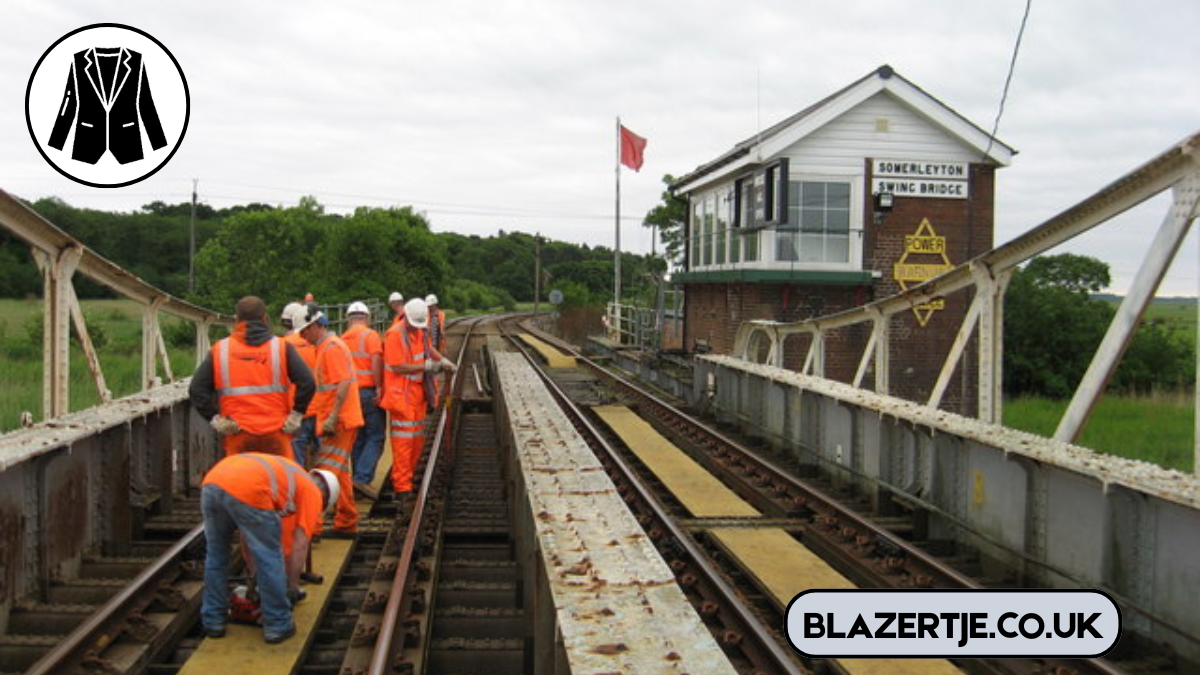
The Somerleyton Swing Bridge is a historic railway bridge that has stood proudly over the River Waveney since 1905, marking the border between Norfolk and Suffolk. Serving as part of the Norwich to Lowestoft railway line, it replaced an earlier single-track structure, ensuring smoother rail traffic while also accommodating boat passage along the Norfolk Broads. Over a century later, this bridge continues to operate, blending functionality with heritage charm.
Visitors to the Somerleyton Swing Bridge are greeted by a remarkable example of early 20th-century engineering. Its unique swing mechanism allows the bridge to pivot and provide clearance for vessels, while trains continue to cross without disruption. The bridge has become an iconic landmark for railway enthusiasts, local historians, and tourists alike, demonstrating how historical infrastructure can remain relevant in modern transport networks.
History of Somerleyton Swing Bridge
The Somerleyton Swing Bridge has a rich and fascinating history that reflects the evolution of railway transport in East England. The original bridge at this site was a single-track crossing, limiting the efficiency of the Norwich to Lowestoft route. In 1905, the current double-tracked Somerleyton Swing Bridge was constructed, incorporating advanced design and materials for that period, and quickly becoming a vital transport link for the region.
Over the years, the Somerleyton Swing Bridge has witnessed significant events, from railway expansions to local developments along the River Waveney. Despite modern upgrades and maintenance, it has preserved much of its historical character, including the original signal box and mechanical equipment. This continuity makes the bridge a rare example of living railway heritage, offering insight into the engineering and transportation practices of the early 1900s.
Engineering and Design Features of Somerleyton Swing Bridge
The engineering of the Somerleyton Swing Bridge is a testament to the ingenuity of early 20th-century designers. Measuring approximately sixteen metres across, it features a double track for trains and a clearance of around 2.59 metres when closed. The swing function is powered by hydraulic jacks, with a hand-winch mechanism as a historic backup. This combination allows the bridge to operate efficiently, supporting both rail and water traffic with precision.
Another distinctive feature of the Somerleyton Swing Bridge is its signal box, which retains the original McKenzie & Holland equipment, a rare survival in the UK today. The brick-built structure is a reminder of the Great Eastern Railway’s standard design and adds architectural interest to the bridge. Its continued operation demonstrates a successful balance between preserving heritage and maintaining functional railway infrastructure for contemporary use.
Location and Access to Somerleyton Swing Bridge
Situated in the village of Somerleyton, the bridge spans the scenic River Waveney, creating a natural border between Norfolk and Suffolk. Its proximity to Somerleyton railway station makes it accessible by train, while road and boat access provide additional options for visitors. The location places it in the heart of the Norfolk Broads, an area renowned for its natural beauty, wildlife, and recreational waterways, making the bridge a popular stop for tourists and boaters alike.
The surrounding landscape adds to the bridge’s appeal, with lush greenery and winding rivers creating a picturesque backdrop. Many photographers and railway enthusiasts visit the Somerleyton Swing Bridge to capture images of trains crossing the pivoting structure or to observe the mechanism in action. For those exploring the Norfolk Broads, it represents both an engineering landmark and a peaceful spot to enjoy the region’s waterways.
Somerleyton Swing Bridge Operations
The Somerleyton Swing Bridge is not only a historic monument but also a fully operational railway and swing bridge. Network Rail manages its daily operations, ensuring that both trains and boats can pass safely. Its swing function opens at scheduled intervals, allowing vessels to navigate the River Waveney while coordinating with train timetables to prevent delays. The bridge’s continued use highlights its reliability and importance in local transport networks.
For boaters, understanding the Somerleyton Swing Bridge opening times is essential. Openings are scheduled to accommodate local traffic and are often communicated via notices from the Broads Authority. Despite being over a century old, the bridge operates smoothly thanks to regular maintenance and careful oversight, offering a rare opportunity to witness historical engineering functioning seamlessly alongside modern transport requirements.
Tourism and Guided Tours at Somerleyton Swing Bridge
The Somerleyton Swing Bridge occasionally offers guided tours for heritage enthusiasts, providing a unique insight into its engineering and history. Visitors can explore the signal box, learn about the swing mechanism, and understand the bridge’s role in maintaining smooth rail and water traffic. These tours offer an educational experience, bringing the bridge’s history to life while highlighting its continued operational importance.
Beyond the bridge itself, the surrounding Norfolk Broads provide additional attractions, including scenic walks, boating experiences, and wildlife observation. The combination of technical interest and natural beauty makes the Somerleyton Swing Bridge a must-see destination for tourists, photographers, and anyone interested in Britain’s railway heritage. Visitors leave with a deeper appreciation for the skill, foresight, and craftsmanship that created this enduring landmark.
Conclusion
The Somerleyton Swing Bridge stands as a remarkable testament to historic railway engineering, combining over a century of functionality with heritage significance. Its swing mechanism, original signal box, and strategic location over the River Waveney make it a unique feature of the Norfolk-Suffolk landscape. Whether approached as a technical marvel, a tourist attraction, or a piece of living history, the bridge continues to inspire awe and curiosity.
With regular operation and occasional public tours, the Somerleyton Swing Bridge demonstrates how historical structures can remain relevant and accessible today. Its enduring presence connects past and present, offering a glimpse into early 20th-century railway engineering while serving modern transportation needs. For visitors and railway enthusiasts alike, it remains a fascinating and unforgettable landmark.
FAQs
What is the history of Somerleyton Swing Bridge?
The Somerleyton Swing Bridge was built in 1905, replacing an earlier single-track bridge and serving the Norwich to Lowestoft railway line.
How does the Somerleyton Swing Bridge work?
It operates using a swing mechanism powered by hydraulic jacks, allowing trains to pass while opening for boats on the River Waveney.
What are the Somerleyton Swing Bridge opening times?
Opening times are scheduled by the Broads Authority and Network Rail to coordinate boat traffic with train schedules.
Is the Somerleyton Swing Bridge open to pedestrians?
No, the bridge is primarily for railway use, and pedestrians are not permitted to cross.
Can guided tours of Somerleyton Swing Bridge be arranged?
Yes, heritage groups and local tours occasionally offer access to explore the bridge and its signal box.
What is the clearance below the Somerleyton Swing Bridge?
The clearance is approximately 2.59 metres when the bridge is closed.
Who manages and maintains the Somerleyton Swing Bridge?
Network Rail is responsible for managing and maintaining the bridge.
Are there any notable incidents involving Somerleyton Swing Bridge?
Occasional mechanical issues or minor collisions have occurred, but the bridge operates safely and reliably.
Also Read: new ollerton nottinghamshire