

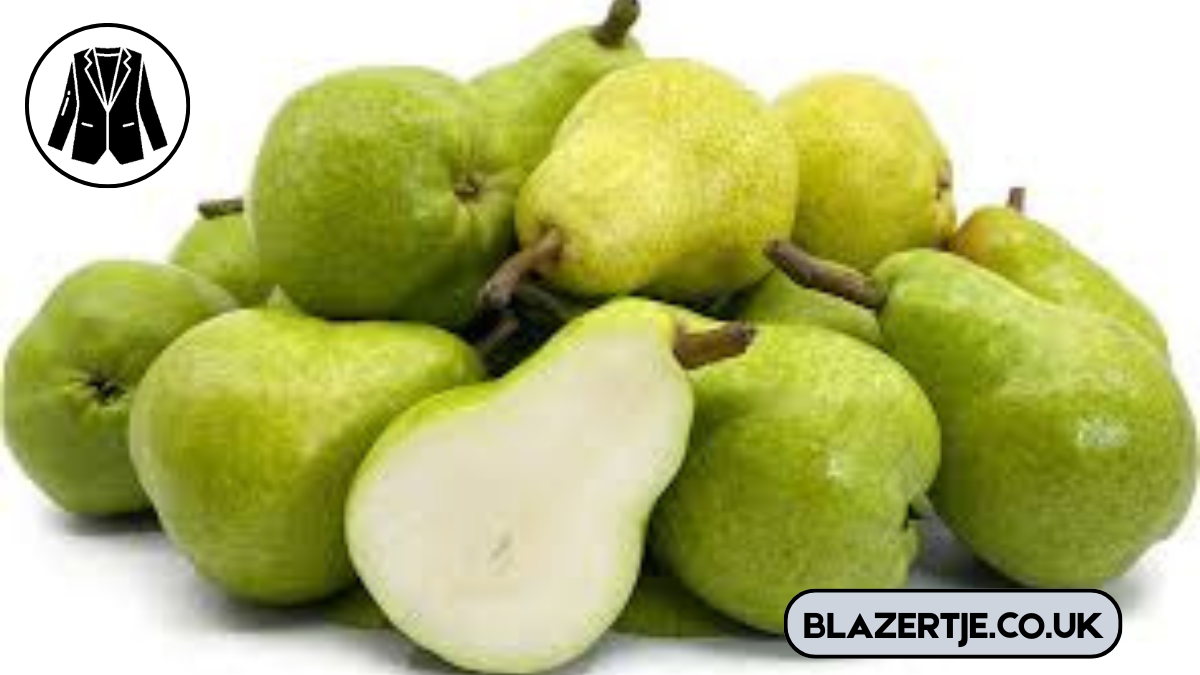
Williams pears are one of the most cherished pear varieties in the UK, celebrated for their classic bell shape, juicy texture, and sweet, delicate flavour. Often eaten fresh, they are also ideal for baking, poaching, and preserving. Their smooth skin and creamy white flesh make them a favourite among home cooks and professional chefs alike, offering versatility unmatched by many other pear types.
The popularity of Williams pears extends beyond taste. They are relatively easy to grow in the UK, making them a favourite among gardeners seeking fruit that thrives in the summer months. Known internationally as Bartlett pears, the fruit has a rich history and remains a staple in British kitchens, whether used in desserts, jams, or simple fresh snacks.
Williams Pears Season in the UK
The Williams pears season in the UK typically begins in late summer, extending into early autumn. During this period, the fruit gradually transitions from a green hue to a golden yellow, signalling peak ripeness. Green Williams pears are often harvested slightly earlier, making them ideal for cooking or baking, while fully yellow pears are perfect for enjoying fresh, offering the sweetest and juiciest flavour profile.
Timing is crucial when picking Williams pears, as harvesting too early or too late can affect both texture and taste. In the UK, gardeners and farmers monitor the fruit carefully, looking for a subtle softness and aromatic scent. Knowing when to pick Williams pears ensures they are enjoyed at their best, whether eaten immediately or stored for later use in culinary creations.
How to Grow and Harvest Williams Pears
Growing Williams pears in the UK requires a combination of patience and proper care. These trees prefer well-drained soil and a sunny position to produce the sweetest fruit. Regular pruning is essential to encourage healthy growth, prevent disease, and ensure branches are strong enough to support heavy fruit loads. While Williams pears are relatively hardy, protecting young trees from harsh frost is recommended to avoid damage during winter.
Harvesting Williams pears also demands careful attention. The best time to pick the fruit is when it begins to change colour but remains firm to the touch. Overripe fruit can bruise easily, while under-ripe fruit may lack the full sweetness. Once harvested, pears can be allowed to ripen at room temperature, enhancing their natural juiciness and flavour, making them perfect for fresh consumption or culinary use.
Culinary Uses of Williams Pears
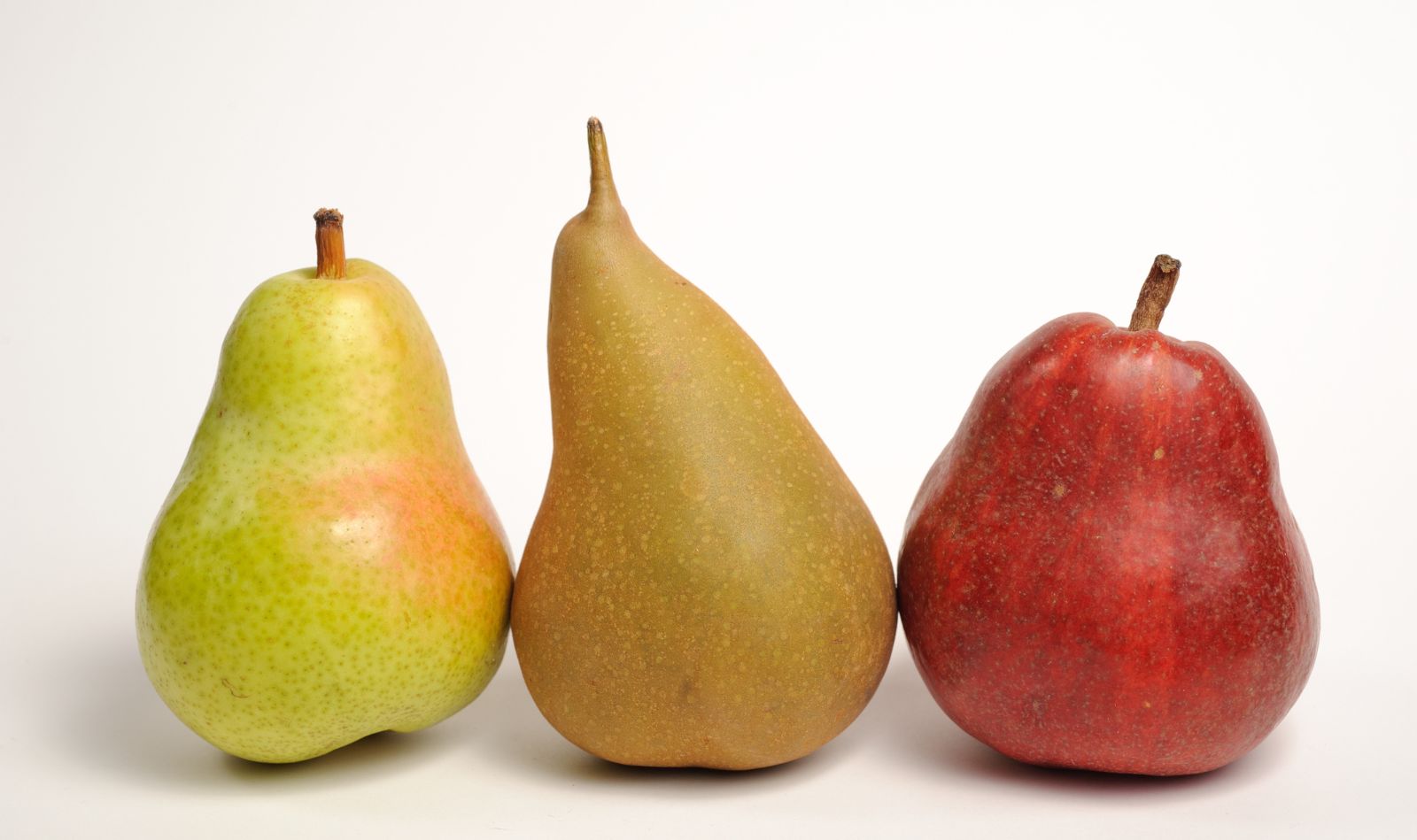
Williams pears are renowned for their culinary versatility. Their naturally sweet, juicy flesh makes them perfect for eating fresh, adding a refreshing touch to fruit salads, or simply enjoying as a healthy snack. They hold their shape well when cooked, making them an ideal ingredient in pies, tarts, crumbles, and poached pear desserts, where their flavour shines through without turning mushy.
In addition to baking, Williams pears are commonly used in preserves, jams, sauces, and even beverages like smoothies or fruit juices. For recipes requiring a pear substitute, varieties such as Conference or Bosc can be used, though Williams pears remain unparalleled in their delicate sweetness and creamy texture. Their ability to complement both sweet and savoury dishes has made them a staple in UK kitchens for generations.
Buying Williams Pears in the UK
Finding Williams pears in the UK is straightforward, especially during their peak season. Supermarkets such as Tesco stock fresh Williams pears, and local farmers’ markets often provide hand-picked options for those seeking top-quality fruit. When selecting pears, look for firm fruit with a subtle aroma and even colouring, which indicates ripeness and maximum flavour.
The Williams Pears Group plays a notable role in the industry, ensuring consistent supply and quality. Shoppers can choose between fresh fruit, pre-packaged options, or seasonal selections from local suppliers. By selecting ripe Williams pears, consumers in the UK can enjoy the full sweetness, juiciness, and versatility that make this fruit a favourite for both everyday snacks and special culinary creations.
Health Benefits of Williams Pears
Williams pears are not only delicious but also nutritious. They are rich in dietary fibre, which aids digestion and promotes a healthy gut. Low in calories yet high in natural sweetness, they make an excellent snack for those seeking a healthy alternative to sugary treats. Additionally, they contain essential vitamins such as vitamin C and potassium, contributing to overall wellness and immune support.
Including Williams pears in your diet can also help maintain heart health and regulate blood sugar levels due to their soluble fibre content. Their natural antioxidants offer additional benefits, protecting cells from damage and supporting general wellbeing. Whether eaten fresh, baked, or blended into drinks, Williams pears provide a tasty and nutritious addition to any UK diet.
Storing and Preserving Williams Pears
Proper storage of Williams pears ensures maximum freshness and flavour. Once harvested, pears can be stored at room temperature to ripen, or in the refrigerator to extend their shelf life. Avoid stacking or bruising them, as this can lead to faster spoilage. Keeping them away from other fruits that emit ethylene gas, like apples and bananas, helps maintain their freshness longer.
For long-term use, Williams pears can be canned, poached, or turned into jams and preserves. These methods allow their sweet, juicy flavour to be enjoyed year-round. Preserving Williams pears is a popular practice in UK households, particularly during the summer season when they are most abundant, ensuring that their delicious taste is not lost once the season ends.
Conclusion
Williams pears are a quintessential fruit in the UK, celebrated for their sweet, juicy flavour and remarkable versatility. From eating fresh to baking, poaching, and preserving, they offer a range of culinary possibilities. By understanding their season, harvesting at the right time, and choosing the best fruit available, everyone can enjoy Williams pears at their very best.
FAQs
When is the Williams pears season in the UK?
The season usually runs from late August to early September.
How do I know when Williams pears are ready to pick?
They are ready when the skin starts turning yellow and the fruit feels slightly soft near the stem.
What can I use as a Williams pears substitute?
Conference or Bosc pears are good alternatives in recipes.
Can I grow Williams pears in my UK garden?
Yes, they grow well in well-drained soil with full sun and some frost protection.
Where can I buy Williams pears in the UK?
You can buy them at supermarkets like Tesco, farmers’ markets, or local fruit suppliers.
What is the difference between Williams pears and Bartlett pears?
They are the same variety; Bartlett is the name used in North America.
How should I store Williams pears after picking?
Store them at room temperature to ripen or in the fridge to extend freshness.
Are green Williams pears ripe to eat?
No, green Williams pears are usually not fully ripe and are best for cooking.
Does the Williams Pears Group sell fruit commercially?
Yes, the group is involved in growing and distributing Williams pears commercially.
Also Read: randolphs leap