

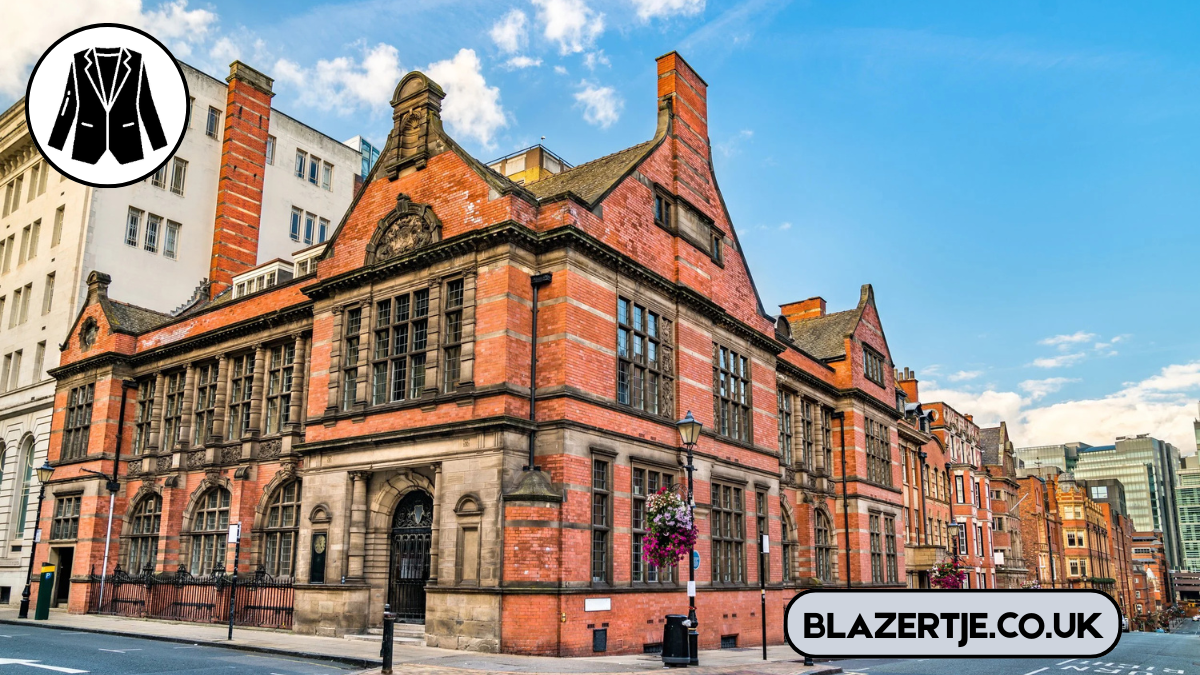
The Birmingham and Midland Institute is a historic cultural and educational landmark situated in the heart of Birmingham city centre. Established in 1854, the institute was created to promote education, science, literature, and the arts among all classes of society. Over the decades, it has become a central hub for intellectual discourse, learning, and cultural engagement, attracting visitors, scholars, and students from across the United Kingdom. Its long-standing reputation makes it one of the city’s most significant institutions, blending history, architecture, and education into a single iconic venue.
Visitors to the Birmingham and Midland Institute can expect a unique experience that combines historic charm with modern cultural activity. From its impressive library collections to dynamic lectures and exhibitions, the institute provides a rich environment for exploration and learning. Its location on Margaret Street makes it easily accessible for both locals and tourists, and its role in the community continues to grow through events, workshops, and educational programmes designed for diverse audiences.
The History of the Birmingham and Midland Institute
The Birmingham and Midland Institute was founded through an Act of Parliament in 1854, a reflection of Birmingham’s commitment to education and the diffusion of knowledge. The founders envisioned a place where science, literature, and the arts could flourish alongside accessible adult education. From its inception, the institute aimed to bridge gaps in social access to learning, creating an inclusive environment for intellectual growth. Early supporters, such as Arthur Ryland, played key roles in shaping the institute’s mission and ensuring it became a cornerstone of cultural development in the city.
Throughout the nineteenth century, the Birmingham and Midland Institute hosted public lectures, debates, and exhibitions that attracted leading scholars, scientists, and literary figures. These events positioned the institute as a vital space for public education and intellectual discussion. Its dedication to adult learning and the arts helped Birmingham gain a reputation as a progressive and enlightened city. Over the years, the institute has continuously adapted its programmes to meet the changing needs of the community while preserving its historical significance.
The Birmingham and Midland Institute also became known for its notable contributions to scientific and artistic development. Many distinguished scholars and innovators delivered lectures or engaged with the institute, strengthening its role as a centre of thought and creativity. Its history reflects both the evolution of Birmingham itself and the broader growth of educational opportunities in the United Kingdom, making it a landmark with enduring cultural and intellectual relevance.
Location and Architecture of the Birmingham and Midland Institute
Situated on Margaret Street in the heart of Birmingham, the Birmingham and Midland Institute enjoys a prime location within the city’s cultural quarter. This central position allows easy access via public transport and is close to other important landmarks, making it an attractive destination for both residents and visitors. The surrounding area is steeped in history, further enhancing the institute’s prominence and importance within the urban landscape.
The architecture of the Birmingham and Midland Institute is a striking example of nineteenth-century design. The building features elegant detailing, spacious halls, and a combination of functional and decorative elements that reflect its original purpose as a centre for education and culture. Visitors often note the grandeur of its lecture halls, the sophistication of its interior spaces, and the careful preservation of historical features that give the institute its unique character. The combination of architectural beauty and historical significance makes the Birmingham and Midland Institute a memorable site to explore.
For those looking to visit, the Birmingham and Midland Institute map highlights its central location and proximity to public transport links. Its accessibility, combined with its historic architecture, ensures that it remains a key point of interest for cultural tourists, students, and academic researchers alike. Exploring the building provides insight not only into its educational mission but also into Birmingham’s broader architectural and historical heritage.
The Birmingham and Midland Institute Library

The Birmingham and Midland Institute library is one of the institution’s most treasured features. Established alongside the institute, the library has grown to house an extensive collection of books, manuscripts, and reference materials. It offers a quiet and inspiring environment for researchers, students, and enthusiasts interested in literature, history, science, and the arts. Many of the library’s volumes date back centuries, providing a valuable resource for historical study and research in a variety of academic disciplines.
Membership at the library allows individuals to access rare collections, conduct in-depth research, and participate in educational programmes hosted by the institute. The library is open to scholars and members of the public alike, offering an inclusive space that promotes learning and curiosity. Visitors often explore the collections to gain insight into Birmingham’s intellectual heritage, and the library continues to preserve important works for future generations. Its role in fostering knowledge and culture remains central to the mission of the Birmingham and Midland Institute.
Events, Lectures, and Cultural Activities
The Birmingham and Midland Institute hosts a wide range of events designed to engage the community and promote learning. Public lectures, workshops, and educational courses are held regularly, covering subjects such as literature, science, art, and history. These events provide opportunities for attendees to gain knowledge, explore new ideas, and interact with experts in various fields. The institute’s commitment to accessible education ensures that its events cater to diverse audiences, reflecting its inclusive founding principles.
In addition to lectures, the Birmingham and Midland Institute organises cultural activities such as exhibitions, theatre performances, and music events. These gatherings showcase local and national talent, offering both entertainment and educational value. The venue also provides space for conferences and professional events, combining historic elegance with modern facilities. By hosting a variety of activities, the institute maintains its reputation as a vibrant centre for intellectual and cultural life in Birmingham.
Visiting the Birmingham and Midland Institute
Visitors to the Birmingham and Midland Institute can enjoy a rich and memorable experience. The venue is open to the public for tours, research, and attendance at events. Guests are encouraged to explore the library, attend lectures, or simply admire the building’s architectural beauty. Its central location makes it convenient for day visits, and it serves as an educational and cultural hub for locals and tourists alike.
Practical considerations, such as Birmingham and Midland Institute parking, make visiting easy for those travelling by car. Public transport options also provide accessible routes to Margaret Street. Many visitors search for Birmingham and Midland Institute photos before arriving, giving them a preview of the stunning interiors and historical architecture. These elements combine to make every visit informative, inspiring, and enjoyable.
The Institute’s Role in Birmingham’s Cultural Life
The Birmingham and Midland Institute has played a vital role in shaping the city’s cultural and educational identity. By fostering discussions, supporting research, and promoting artistic expression, the institute contributes to Birmingham’s intellectual and cultural life. It has become a space where people of all ages and backgrounds can engage with learning, participate in events, and celebrate creativity.
Through its programmes and activities, the Birmingham and Midland Institute continues to influence the community. Students, researchers, and artists benefit from its resources and networks, while the public enjoys access to lectures, exhibitions, and performances. Its ongoing commitment to education, culture, and inclusion ensures that it remains a cornerstone of Birmingham’s vibrant and diverse cultural landscape.
Conclusion
The Birmingham and Midland Institute is a historic institution that continues to shape education, culture, and intellectual life in Birmingham. From its founding in 1854 to its present-day role as a hub for learning, events, and community engagement, the institute has remained faithful to its mission of promoting knowledge and creativity for all. Its library, lectures, and cultural activities make it a unique and enduring landmark in the city.
Whether visiting for research, cultural events, or simply to explore the building, the Birmingham and Midland Institute offers an enriching experience that blends history, architecture, and education. Its ongoing relevance ensures that it will continue to be a centre for learning and culture, inspiring generations of visitors and maintaining its prominent place in Birmingham’s heritage.
Frequently Asked Questions
What is the Birmingham and Midland Institute known for?
It is known for promoting education, literature, science, and the arts through lectures, workshops, and cultural events.
When was the Birmingham and Midland Institute founded?
The institute was founded in 1854 by an Act of Parliament to make education and knowledge accessible to all.
Where is the Birmingham and Midland Institute located?
It is located on Margaret Street in Birmingham city centre, near other cultural and historical landmarks.
Can the public access the library?
Yes, the library is open to members, researchers, and visitors, providing access to extensive collections of books and manuscripts.
Are events regularly held at the institute?
Yes, the Birmingham and Midland Institute hosts lectures, performances, workshops, and exhibitions throughout the year.
Is parking available at the institute?
Yes, Birmingham and Midland Institute parking is available nearby, and public transport access makes visiting convenient.
What can visitors expect to see?
Visitors can explore historic interiors, browse the library, attend educational programmes, and enjoy cultural events hosted by the institute.
Also Read: geiriau calon lan