

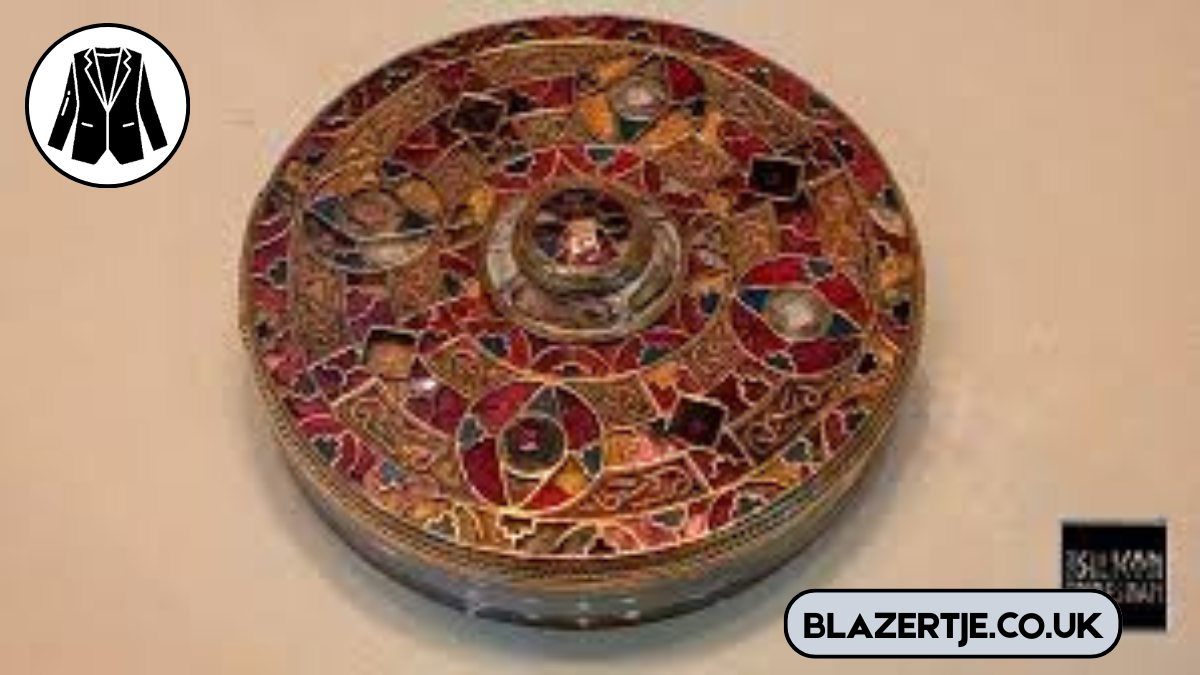
Anglo Saxon brooches are among the most treasured artefacts from early medieval England, revealing a rich tapestry of culture, fashion, and craftsmanship. These brooches were worn between the 5th and 11th centuries, primarily to fasten clothing, but their role went far beyond practicality. They symbolised wealth, identity, and social status, reflecting the artistry and skill of Anglo Saxon metalworkers. Today, they remain a focus of historical study, museum exhibitions, and KS2 history lessons, allowing modern audiences to connect with the past.
The intricate designs of Anglo Saxon brooches demonstrate a sophisticated understanding of both aesthetics and symbolism. From simple circular forms to elaborate animal motifs, each brooch tells a story about its wearer and their society. Whether discovered in graves, settlements, or hoards, these artefacts highlight the importance of jewellery in Anglo Saxon life. Their preservation in museums across the UK ensures that the legacy of early England continues to inspire both scholars and enthusiasts.
History of Anglo Saxon Brooches
Anglo Saxon brooches have their origins in the migration period, when Germanic tribes settled in England. Women primarily wore these brooches to fasten their dresses and cloaks, often in pairs, while men occasionally used them for belts or cloaks. Archaeological excavations have uncovered brooches made from bronze, silver, and gold, reflecting the social hierarchy and status of their owners. Over centuries, Anglo Saxon brooches evolved in form and decoration, becoming more ornate and symbolic.
The historical significance of Anglo Saxon brooches extends beyond mere fashion. They were often included in burials as grave goods, a practice indicating the cultural importance attached to these objects. Through these artefacts, historians have traced changes in social structures, artistic styles, and trade networks across early medieval England. Studying Anglo Saxon brooches allows us to understand not only the craftsmanship of the time but also the cultural identity of a people who shaped English history.
Types and Designs of Anglo Saxon Brooches
Anglo Saxon brooches come in a wide variety of types, each with distinctive features. Disc brooches were commonly used to secure garments and were often decorated with intricate geometric patterns or floral designs. Square-headed brooches, a hallmark of early medieval fashion, were more elaborate, frequently incorporating inlaid gemstones, filigree, or enamel, and were considered a symbol of wealth and social prestige.
Animal Anglo Saxon brooches reflect the Anglo Saxons’ fascination with nature and mythology. Designs featuring birds, beasts, and mythical creatures were popular, showcasing not only artistic skill but also symbolic meaning. Simple Anglo Saxon brooches were worn by everyday people, often lacking elaborate decoration but still demonstrating careful craftsmanship. Collectively, the variety in design illustrates both the practicality and artistry of Anglo Saxon jewellery, making these brooches invaluable to historians and collectors alike.
Materials and Craftsmanship of Anglo Saxon Brooches
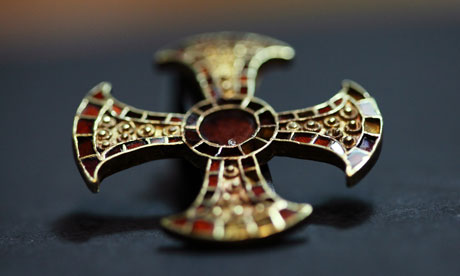
The materials used to create Anglo Saxon brooches were diverse, ranging from bronze and silver to gold, gemstones, and enamel. These choices allowed craftsmen to produce items that were both durable and visually striking. Some brooches featured gilding, intricate engraving, or zoomorphic patterns, highlighting the advanced metallurgical skills of the period. Anglo Saxon brooches often combined practicality with decoration, making them essential objects of daily life as well as statements of personal style.
Crafting Anglo Saxon brooches required significant skill and precision. Techniques such as casting, engraving, and assembly allowed for the creation of highly detailed pieces. Even simpler designs were carefully constructed to withstand regular use while maintaining aesthetic appeal. Educational projects, particularly at the KS2 level, often recreate these brooches to provide hands-on understanding of Anglo Saxon craftsmanship. This practical approach helps students appreciate the artistry and cultural significance of these early medieval artefacts.
Anglo Saxon Brooches in Modern Times
In modern times, Anglo Saxon brooches are highly valued for both study and collection. Museums across the UK, including the British Museum and National Museums Liverpool, display these artefacts to illustrate early medieval culture and jewellery. Brooches are also available as replicas, allowing collectors and history enthusiasts to engage with the past tangibly. Historical reenactments often feature reproductions of Anglo Saxon brooches, helping bring early English history to life for audiences of all ages.
Anglo Saxon brooches images, whether in books or online, provide further opportunities for research and appreciation. Detailed photographs allow historians, students, and jewellery enthusiasts to study designs, patterns, and techniques without handling fragile originals. Additionally, replicas and educational resources make it easier to explore the cultural and artistic significance of Anglo Saxon brooches, ensuring these artefacts remain relevant and inspiring in contemporary times.
Cultural and Artistic Significance of Anglo Saxon Brooches
Anglo Saxon brooches offer unique insights into early medieval culture and artistic sensibilities. They symbolised social rank, gender, and identity, with elaborate designs often reserved for the elite. Animal motifs, geometric patterns, and filigree work reflect the Anglo Saxons’ connection to nature and mythology, illustrating how personal adornment served as a medium for cultural expression.
Beyond their decorative function, Anglo Saxon brooches influenced wider art and jewellery trends. They reveal trade links, technological innovation, and the creative vision of early craftsmen. By examining Anglo Saxon brooches, historians and collectors gain a deeper understanding of the social structures, cultural priorities, and aesthetic values of early England. Their enduring appeal demonstrates the lasting impact of Anglo Saxon artistry on British heritage.
Conclusion
Anglo Saxon brooches remain an enduring symbol of early English art, culture, and craftsmanship. From functional everyday items to highly decorative symbols of status, these brooches offer a window into the lives of people who shaped early medieval England. Whether studied in museums, recreated in classrooms, or admired in collections, Anglo Saxon brooches continue to captivate and educate, connecting modern audiences to a rich historical legacy.
Frequently Asked Questions
What were Anglo Saxon brooches used for in daily life?
They were mainly used to fasten clothing such as dresses and cloaks.
How many types of Anglo Saxon brooches existed?
There were several types, including disc brooches, square-headed brooches, and animal-themed designs.
What materials were Anglo Saxon brooches made from?
Brooches were made from bronze, silver, gold, gemstones, and sometimes enamel or glass.
Can simple Anglo Saxon brooches be made at home?
Yes, simple designs can be recreated using clay, metal, or craft materials for educational projects.
Where can I see Anglo Saxon brooches today?
They are displayed in UK museums such as the British Museum and National Museums Liverpool.
What is the significance of animal designs on Anglo Saxon brooches?
Animal motifs symbolised mythology, status, and connection to nature in Anglo Saxon culture.
Are there famous Anglo Saxon brooches in UK museums?
Yes, notable examples include the Kingston Brooch and the Coppergate disc brooch.
How are Anglo Saxon brooches taught in KS2 history lessons?
They are used to illustrate early medieval life, fashion, and craftsmanship through practical activities.
What are some interesting facts about Anglo Saxon brooches?
Many brooches were buried as grave goods, showing their cultural and symbolic importance.
How did brooch designs change over the Anglo Saxon period?
Designs evolved from simple functional forms to highly decorative pieces with intricate patterns and gemstones.
Also Read: allegro estate car