

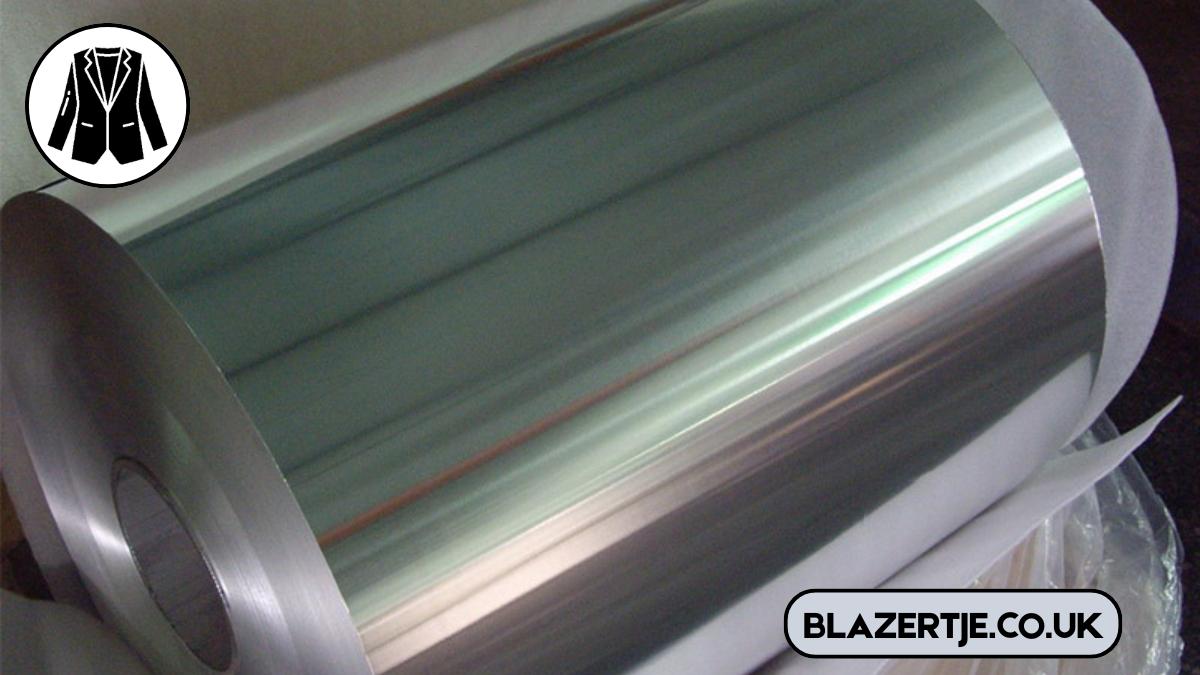
Aluminium foil material is one of the most versatile materials in modern life, widely used in homes, industries, and packaging applications. Its flexibility, durability, and barrier properties make it ideal for protecting food, cosmetics, and industrial products from moisture, oxygen, and light. This unique combination of strength and malleability allows aluminium foil material to adapt to various needs, from kitchen use to high-demand industrial applications.
Understanding aluminium foil material is not just about knowing its uses; it is also about recognising its composition and properties. Made primarily of high-purity aluminium, the material is engineered to offer strength, puncture resistance, and thermal conductivity. This makes it essential for packaging, insulation, and even electrical applications. Learning about aluminium foil material helps consumers and manufacturers make better decisions regarding safety, efficiency, and sustainability.
What is Aluminium Foil Material?
Aluminium foil material is a thin, flexible sheet of aluminium that can be bent, folded, or wrapped around objects without breaking. It is widely used for packaging, insulation, and cooking due to its ability to protect contents from external factors. The foil often has one shiny side and one matte side, enhancing both its reflective and functional properties for various applications.
Unlike metallised films, which are plastics coated with a thin layer of aluminium, aluminium foil material is almost entirely aluminium. This ensures superior barrier protection, making it highly effective in preserving food, protecting pharmaceuticals, and providing insulation in industrial contexts. Aluminium foil material is lightweight, durable, and recyclable, giving it an edge over alternative materials.
Composition of Aluminium Foil Material
Aluminium foil material is composed primarily of aluminium, with a purity level of 98–99.9 percent. This high-purity aluminium is responsible for the foil’s lightweight and flexible nature. Small amounts of iron, silicon, or other metals are added to improve strength, puncture resistance, and durability. This carefully balanced composition makes aluminium foil material ideal for both domestic and industrial applications.
Different grades of aluminium foil material exist to meet specific needs. Grades such as 1050 and 1100 are highly flexible, making them suitable for food wrapping and packaging. Grade 3003 offers increased strength for industrial and construction purposes, while 8011 is commonly used for household foil products. Each grade ensures aluminium foil material performs optimally in its intended application.
Properties of Aluminium Foil Material

Aluminium foil material has excellent barrier properties, effectively preventing the passage of light, oxygen, and moisture. These qualities make it ideal for food preservation, pharmaceutical packaging, and industrial insulation. Its reflective surface helps retain or distribute heat efficiently, which is particularly useful in cooking and temperature-sensitive industrial applications.
Beyond barrier protection, aluminium foil material possesses good thermal and electrical conductivity. It is safe for food contact and non-toxic, making it suitable for domestic and commercial use. Additionally, aluminium foil material is fully recyclable, contributing to sustainability efforts. Its combination of safety, durability, and adaptability makes it an essential material across multiple industries.
Uses and Applications of Aluminium Foil Material
Aluminium foil material is extensively used in food packaging, where it preserves freshness, prevents spoilage, and protects against contamination. From wrapping sandwiches to covering trays and baking dishes, it ensures that food remains safe and intact. Its flexibility allows it to conform to various shapes, providing a tight seal that is essential for storage and cooking.
In industrial applications, aluminium foil material is employed for thermal insulation, electrical shielding, and protective packaging. It is also used in pharmaceutical and cosmetic packaging due to its strength and resistance to environmental factors. Household uses include cooking, cleaning, and even DIY projects, while alternatives like metallised films are less effective. Aluminium foil material remains the superior choice due to its durability, barrier performance, and recyclability.
Manufacturing Process of Aluminium Foil Material
The manufacturing process of aluminium foil material begins with refining bauxite to obtain pure aluminium. The aluminium is then cast into ingots and rolled into thin sheets using cold rolling techniques. Two sheets are often rolled together to achieve uniform thickness while maintaining strength and flexibility.
During rolling, one side of aluminium foil material comes into contact with polished steel rollers, creating a shiny finish, while the other side remains matte. This dual finish enhances both aesthetic appeal and functional properties, such as heat reflection. Quality control ensures consistent thickness, strength, and performance across all batches of aluminium foil material.
Sustainability and Recycling
Aluminium foil material is fully recyclable, making it an environmentally friendly option for packaging and industrial uses. Recycling aluminium uses significantly less energy than producing new aluminium from raw bauxite, reducing carbon emissions and conserving natural resources. In the UK, recycling aluminium foil material helps minimise landfill waste and supports sustainable material cycles.
For effective recycling, aluminium foil material must be clean and free of food residues. Once processed, it can be transformed into new foil, automotive components, or building materials. Its recyclability, combined with durability and versatility, ensures aluminium foil material remains a responsible choice for industries, households, and eco-conscious consumers.
Conclusion
Aluminium foil material is a remarkable material that combines high-purity aluminium with strength-enhancing additives to create a flexible, durable, and highly functional sheet. Its barrier properties, recyclability, and adaptability make it invaluable for food packaging, industrial applications, and household uses.
By understanding the composition, properties, uses, and sustainability of aluminium foil material, both consumers and manufacturers can make informed choices. Its versatility, efficiency, and environmental benefits ensure that aluminium foil material continues to play a vital role in modern life, from kitchens to industries, for years to come.
FAQs
What is aluminium foil material made of?
It is made primarily of high-purity aluminium with small amounts of iron and silicon for strength.
Is aluminium foil material safe for cooking?
Yes, food-grade aluminium foil material is non-toxic and safe for cooking and baking.
What are the different grades of aluminium foil material?
Common grades include 1050, 1100, 3003, and 8011, each suited for different uses.
Can aluminium foil material be recycled in the UK?
Yes, it is fully recyclable if clean and free from food residues.
How is aluminium foil material different from metallised films?
Aluminium foil material is almost entirely aluminium, while metallised films are plastic coated with aluminium.
How thick is standard aluminium foil material?
Standard aluminium foil material ranges from 0.006 mm to 0.2 mm thick.
What are the main industrial uses of aluminium foil material?
It is used in packaging, insulation, electrical shielding, and protective industrial applications.
How is aluminium foil material manufactured?
It is made by refining bauxite into aluminium, casting ingots, and rolling them into thin sheets.
Also Read: class 70