

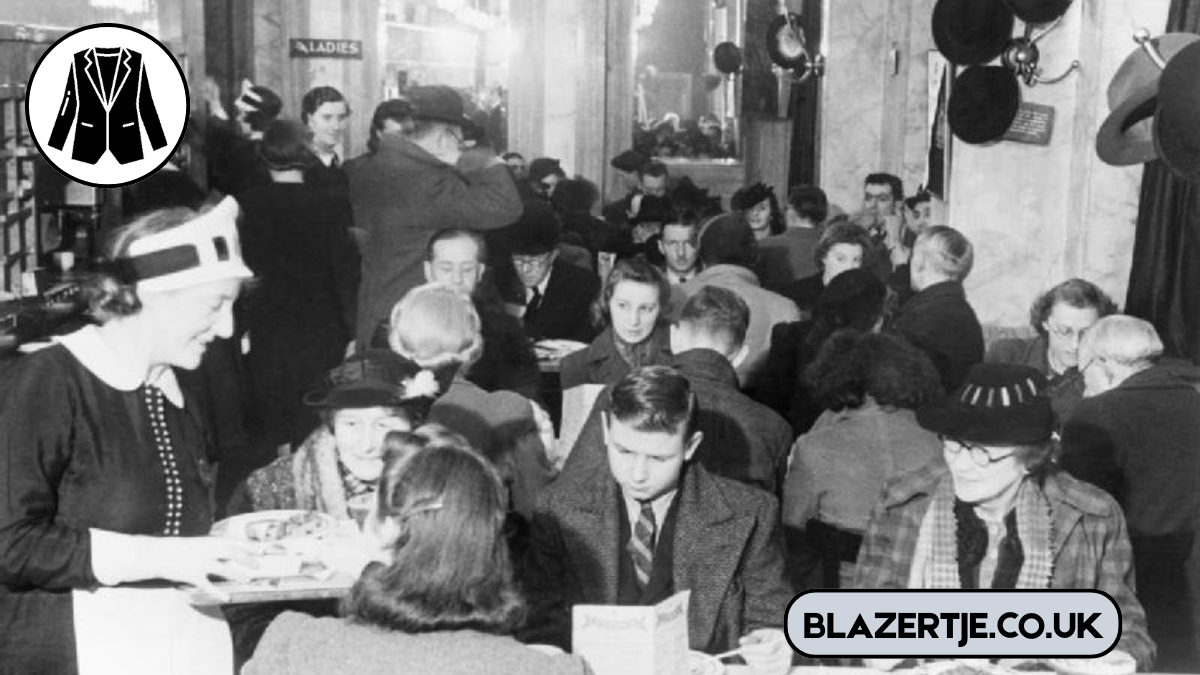
Lyons Corner House was one of the most celebrated dining establishments in London, symbolising affordable luxury for ordinary people. Established in 1909 by J. Lyons & Co., these tea rooms and restaurants quickly became legendary for their grand multi-floor interiors, Art Deco design, and attentive service. Londoners from all walks of life flocked to enjoy meals, tea, and pastries in an environment that combined elegance with accessibility, making Lyons Corner House a cultural icon of its era.
More than just a place to eat, Lyons Corner House served as a vibrant social hub where families, friends, and business associates gathered. With expansive dining floors, live orchestras, and stylish décor, each restaurant offered an experience rather than just a meal. Its reputation for reliability and quality made it a cornerstone of London’s dining scene, leaving a lasting impression on generations of city residents.
Lyons Corner House Locations Across London
Lyons Corner House expanded strategically across London, ensuring its presence at key intersections and high-traffic areas. The Coventry Street location was the largest and most iconic, often serving thousands of diners each day. Oxford Street, frequently referred to as the Oxford Corner House, provided a stylish alternative for shoppers, while Piccadilly and Marble Arch became central social spots. Each location maintained the signature charm and elegance synonymous with Lyons Corner House, creating a consistent experience across the city.
Smaller locations, including Tottenham Court Road and Islington, allowed the chain to reach broader audiences while maintaining its high service standards. Every corner house was designed with accessibility in mind, often featuring multiple floors and separate dining rooms for different occasions. The carefully selected locations of Lyons Corner House ensured that it became a fixture in the daily lives of Londoners, cementing its place in the city’s social and cultural fabric.
Lyons Corner House Nippies and Staff Culture
The “Nippies,” as the waitresses of Lyons Corner House were affectionately known, became a cultural symbol of the restaurants. Trained to serve with speed, efficiency, and charm, the Nippies embodied the high standards and professionalism of Lyons Corner House. Their distinctive uniform and polite, energetic service made them instantly recognisable and helped shape the unique customer experience that the brand was known for.
Nippies were central to the atmosphere of Lyons Corner House, adding warmth and personality to every visit. Many former staff recall the camaraderie and sense of pride that came from working in such an esteemed establishment. Their dedication to service ensured that diners enjoyed not only delicious meals but also memorable hospitality, solidifying Lyons Corner House as a beloved institution in London’s restaurant history.
Lyons Corner House Menu and Dining Experience
The menu at Lyons Corner House was extensive, offering everything from hearty meals to delicate pastries and teas. Afternoon tea was particularly popular, featuring a selection of fine teas, finger sandwiches, and cakes, appealing to both Londoners and visitors alike. The menu evolved over the decades, with some items from the 1950s still remembered fondly today. Every dish reflected the commitment to quality and value that Lyons Corner House upheld.
Dining at Lyons Corner House was an experience in itself. Customers enjoyed the ambience created by live music, spacious multi-floor dining rooms, and stylish interiors. The restaurants provided not just meals, but an elegant yet welcoming environment where people could socialise, relax, and feel part of London’s cultural life. This combination of excellent food and sophisticated atmosphere set Lyons Corner House apart from other eateries of its time.
Lyons Corner House Decline and Closure
Despite its popularity, Lyons Corner House faced challenges by the 1970s. Economic changes, rising operational costs, and evolving dining habits led to a gradual decline in customers. Many locations closed over the years, with the last Lyons Corner House shutting its doors in 1977. The closure marked the end of a significant chapter in London’s culinary and social history.
The decline of Lyons Corner House reflected wider shifts in British society, including changes in eating patterns and increased competition from emerging restaurants and cafés. Though the physical establishments no longer exist, their influence endures through photographs, memorabilia, and the fond memories of those who visited. Lyons Corner House remains a benchmark for efficient, elegant, and memorable dining experiences in the capital.
Lyons Corner House Legacy in London
The legacy of Lyons Corner House continues to resonate in London’s cultural and culinary memory. It pioneered a model of affordable luxury, inspiring generations of restaurants and cafés that followed. Collectors, historians, and enthusiasts preserve menus, photographs, and stories, ensuring that the essence of Lyons Corner House is not forgotten. Its impact on dining etiquette and customer service remains evident in many modern establishments.
Even decades after closure, Lyons Corner House evokes nostalgia for Londoners who remember its elegance, multi-floor layouts, and friendly Nippies. The restaurants set a high standard for hospitality, blending quality food with an inviting atmosphere. The enduring fascination with Lyons Corner House demonstrates how a dining establishment can become a cultural icon, influencing the city long after its doors have closed.
FAQs
What was Lyons Corner House?
A chain of iconic London tea rooms and restaurants offering affordable luxury from 1909 to 1977.
Where were Lyons Corner House locations in London?
Major locations included Coventry Street, Oxford Street, The Strand, Piccadilly, Marble Arch, Tottenham Court Road, and Islington.
Who were the Nippies at Lyons Corner House?
Nippies were the famous waitresses known for their speed, charm, and professional service.
What was on the Lyons Corner House menu in the 1950s?
The menu included afternoon tea, pastries, sandwiches, hearty meals, and classic British dishes.
When did Lyons Corner House close?
The last Lyons Corner House closed in 1977 after decades of popularity.
Why did Lyons Corner House close?
Economic changes, rising costs, and shifts in dining habits led to its closure.
Are there any surviving Lyons Corner House locations today?
No, all original Lyons Corner House restaurants have closed, though their legacy remains.
How did Lyons Corner House influence modern cafés?
It inspired efficient, elegant service, multi-floor dining, and affordable luxury in UK cafés.
Can I find pictures of Lyons Corner House interiors?
Yes, historic photos are available in archives, online collections, and photography websites.
What made Lyons Corner House so popular with Londoners?
Its combination of quality food, stylish interiors, friendly Nippies, and accessible luxury drew crowds.
Also Read: j davidson stadium