

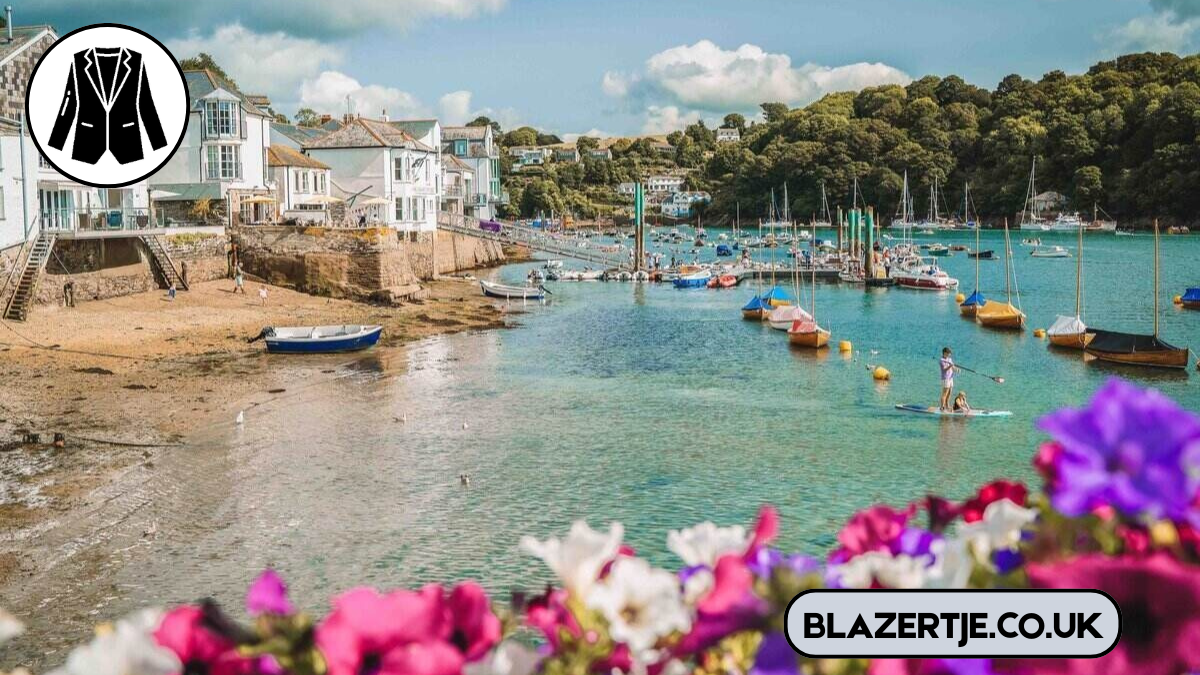
Rivers in Cornwall are some of the most enchanting and historically rich waterways in the UK. From the rugged moorlands of Bodmin to the serene estuaries meeting the Atlantic Ocean, these rivers have shaped the landscape, communities, and wildlife for centuries. Cornwall’s rivers are not only scenic treasures but also provide opportunities for fishing, boating, kayaking, and exploration, making them central to the county’s natural and cultural heritage.
Exploring rivers in Cornwall allows visitors to witness the county’s diverse landscapes and rich biodiversity. The flowing waters pass through dense woodlands, rolling hills, and charming villages, creating a perfect blend of nature and history. For those interested in outdoor adventures or photography, rivers in Cornwall offer countless opportunities to experience the beauty and tranquillity of this remarkable region.
Map and Geography of Rivers in Cornwall
Rivers in Cornwall are interconnected in a complex network that stretches across the county, creating natural boundaries and linking inland landscapes with coastal estuaries. A detailed map of rivers in Cornwall shows major waterways such as the Tamar, Camel, Fowey, Fal, and Lynher, along with smaller tributaries that feed into these larger rivers. Many rivers also form part of the border with neighbouring Devon, adding both ecological and historical significance to their paths.
The geography of rivers in Cornwall is diverse, from wide estuaries suitable for boating to narrow, winding streams through valleys and woodlands. These waterways are essential for local ecosystems, supporting a variety of plant and animal life. Visitors can use a map of rivers in Cornwall to plan outdoor activities, including kayaking rivers in Cornwall, walking along riverside trails, and observing wildlife in natural habitats along the banks.
Key Rivers in Cornwall
Rivers in Cornwall vary in size, character, and purpose, offering something for every visitor. The River Tamar, Cornwall’s longest river, stretches across 100 kilometres, forming much of the county border with Devon. Its banks are lined with historic towns, woodlands, and scenic views, making it ideal for sightseeing, walking, and river cruises. Tamar’s estuary is a haven for wildlife, particularly birds and fish species that thrive in its tidal waters.
The River Camel is well-known for the Camel Trail, a cycling and walking route that follows the river from Bodmin to Padstow. The river and surrounding landscapes are recognised as a Special Area of Conservation, attracting nature enthusiasts and photographers. The River Fowey, flowing through south Cornwall, is equally picturesque, with estuaries, fishing villages, and opportunities for boating. Other rivers, including the Helford, Fal, and Lynher, offer quiet escapes, boating adventures, and scenic vistas, highlighting the variety and richness of rivers in Cornwall.
Activities and Tourism on Rivers in Cornwall
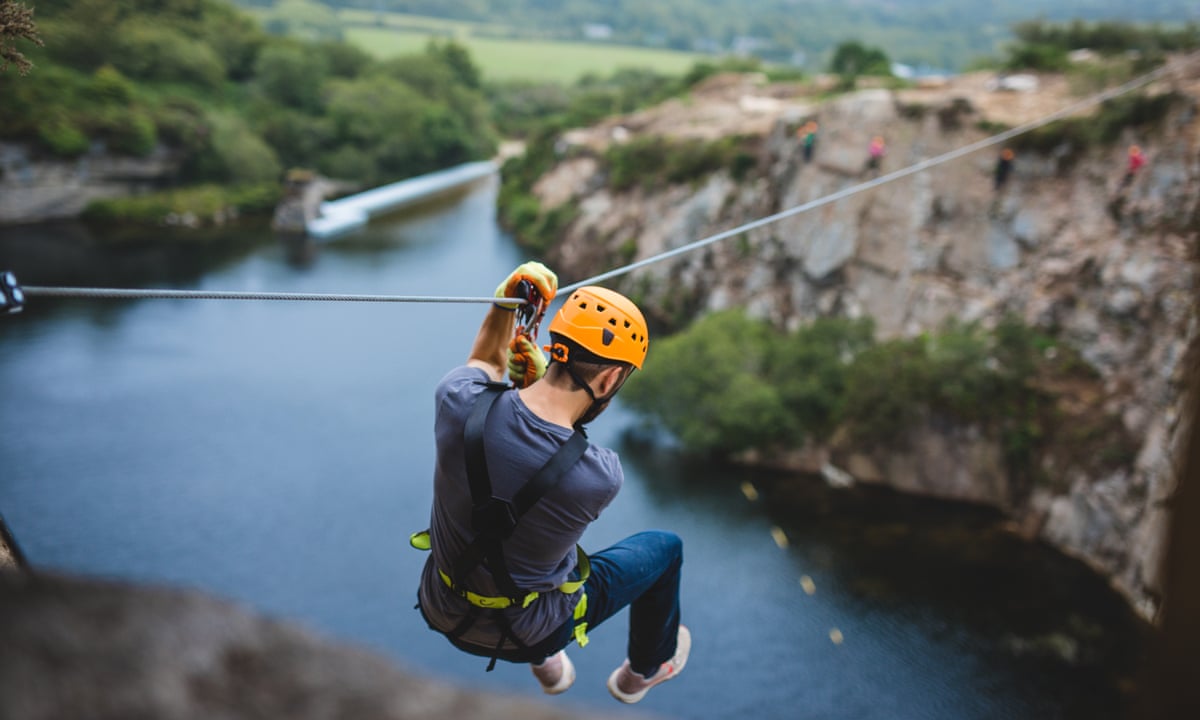
Rivers in Cornwall are perfect for a range of recreational activities that appeal to both families and adventure seekers. Kayaking rivers in Cornwall has grown in popularity, with some stretches offering calm waters ideal for beginners, while others provide exciting white water experiences. River cruises and ferries along the estuaries allow tourists to enjoy Cornwall’s rivers from a unique perspective, observing wildlife and historic towns along the water.
Walking and cycling along rivers in Cornwall is another popular way to explore these scenic waterways. Trails often follow riverbanks, passing through woodlands, past historic bridges, and near charming villages. Birdwatchers and wildlife enthusiasts will find opportunities to spot otters, kingfishers, herons, and other species in their natural habitats. Whether for adventure or relaxation, rivers in Cornwall are a hub of outdoor experiences, connecting visitors to nature and culture alike.
Environmental Importance and Conservation
Rivers in Cornwall are vital for maintaining the county’s ecological balance and biodiversity. Many rivers are part of protected areas or Special Areas of Conservation, supporting rare species of plants, fish, and birds. Conservation efforts focus on maintaining water quality, protecting habitats, and promoting sustainable tourism. Healthy rivers in Cornwall ensure that estuaries, wetlands, and marine ecosystems remain vibrant and productive, benefiting both wildlife and local communities.
Local organisations and communities actively work to preserve the integrity of rivers in Cornwall, encouraging responsible use and education about the natural environment. Activities such as litter collection, monitoring wildlife, and promoting sustainable river sports help ensure these waterways remain pristine for future generations. Rivers in Cornwall are therefore not only recreational assets but also ecological lifelines, highlighting the importance of environmental stewardship alongside tourism and leisure.
Planning Your River Trip in Cornwall
Planning a trip to rivers in Cornwall can be rewarding and memorable. Using maps of rivers in Cornwall, visitors can locate the best access points, scenic trails, and nearby accommodations. Popular itineraries include exploring the Camel Trail, enjoying boating on the Helford, or fishing in the Fowey estuary. Whether it’s a day trip or a weekend adventure, rivers in Cornwall offer a variety of experiences to suit every interest.
When planning, it’s important to consider the season, weather conditions, and river safety. Many rivers in Cornwall have facilities for kayaking, boating, and walking, but checking local guidelines ensures a safe and enjoyable trip. Exploring rivers in Cornwall allows visitors to combine nature, history, and recreation, creating a holistic travel experience that showcases the beauty and diversity of this UK county.
Conclusion
Rivers in Cornwall are more than just waterways; they are the lifeblood of the county’s natural and cultural identity. From the mighty Tamar to the tranquil Helford, the Camel, and Fowey, each river offers unique landscapes, wildlife, and recreational opportunities. Exploring rivers in Cornwall allows visitors to connect with nature, enjoy outdoor adventures, and appreciate the historical and ecological importance of these scenic watercourses.
Whether kayaking, cycling, fishing, or simply enjoying the views, rivers in Cornwall provide endless possibilities for exploration, learning, and relaxation. By understanding their geography, history, and environmental significance, visitors can fully appreciate the beauty and value of Cornwall’s rivers and contribute to their ongoing preservation for generations to come.
Frequently Asked Questions
What are the major rivers in Cornwall?
The major rivers include the Tamar, Camel, Fowey, Fal, Lynher, Helford, and Looe.
Which is the longest river in Cornwall?
The River Tamar is the longest river in Cornwall, stretching about 100 kilometres.
Where can I find a map of rivers in Cornwall?
Maps of rivers in Cornwall are available online, in tourist guides, and local visitor centres.
Are there white water rivers in Cornwall suitable for kayaking?
Yes, certain stretches of rivers like the Camel and Lynher offer white water sections for kayaking.
What activities can I do along rivers in Cornwall?
You can kayak, boat, fish, walk, cycle, and enjoy birdwatching along Cornwall’s rivers.
Do any rivers in Cornwall flow into Devon?
Yes, rivers like the Tamar form part of the border and flow into or alongside Devon.
Which rivers in Cornwall are best for wildlife and birdwatching?
The Tamar, Camel, Helford, and Fowey rivers are excellent for spotting wildlife and birds.
Can you cycle or walk along Cornwall’s rivers?
Yes, trails like the Camel Trail provide safe and scenic walking and cycling routes.
Also Read: kerja sama operasional