

Mincing Lane City of London is one of the most historically significant streets in the capital, quietly positioned within the financial heart of the City. Though narrow and unassuming today, it once played a powerful role in shaping global trade routes and commercial systems that influenced markets across continents. Its legacy is deeply tied to London’s rise as a world financial centre.
Mincing Lane City of London is not just a street name but a reminder of Britain’s trading past, particularly during the height of the British Empire. From tea and spices to sugar and colonial goods, this short road became a focal point for merchants, brokers, and international traders who helped define global commerce for centuries.
Location and Geographic Importance
Mincing Lane City of London is located in the historic Square Mile, running between Fenchurch Street and Great Tower Street. Its strategic position placed it close to the River Thames, which historically served as the main gateway for imported goods arriving into London. This proximity made it an ideal hub for merchants dealing in international commodities.
Today, Mincing Lane City of London remains surrounded by key financial landmarks and modern office buildings, reflecting its transformation from a trading street into part of the global financial district. The area is well connected by transport links, including nearby Underground stations, making it easily accessible for professionals and visitors exploring London’s historic core.
Early Origins and Historical Development
The origins of Mincing Lane City of London date back to medieval times, when the area was gradually developed as part of London’s expanding urban landscape. The name itself is believed to be derived from early property ownership or religious associations, although its exact origin remains a subject of historical interpretation.
As London grew, Mincing Lane City of London evolved from a quiet passage into a commercial street. By the early modern period, it had already begun to attract merchants and traders due to its proximity to docks and warehouses. This transformation laid the foundation for its later reputation as a global trading hub.
Rise as a Global Trading Centre
During the nineteenth century, Mincing Lane City of London reached the peak of its influence. It became internationally recognised as the world centre for tea trading, where merchants from across the British Empire gathered to negotiate prices and contracts. The street was often filled with commercial activity linked to tea, spices, sugar, and other imported goods.
Mincing Lane City of London was not just a local trading point but a global pricing hub. Decisions made within its offices influenced commodity values across international markets. This concentration of financial power made it one of the most important commercial streets in the world during the height of British trade dominance.
The Tea and Spice Trade Legacy
One of the defining features of Mincing Lane City of London was its strong association with the tea and spice trade. Britain’s growing demand for these goods led to the establishment of specialised trading houses along the street, where brokers and merchants negotiated large-scale deals on a daily basis.
Mincing Lane City of London became synonymous with luxury commodities that were imported from Asia, Africa, and the Caribbean. Tea auctions and spice transactions conducted here shaped consumer habits across Britain. This legacy continues to be remembered as a key chapter in the story of global trade and colonial economics.
Architectural and Commercial Evolution
The architectural landscape of Mincing Lane City of London has changed significantly over time. Many of the original trading buildings have been replaced by modern office structures, yet the street still retains its historical character. The blend of old and new architecture reflects the evolution of London from a trading port to a global financial centre.
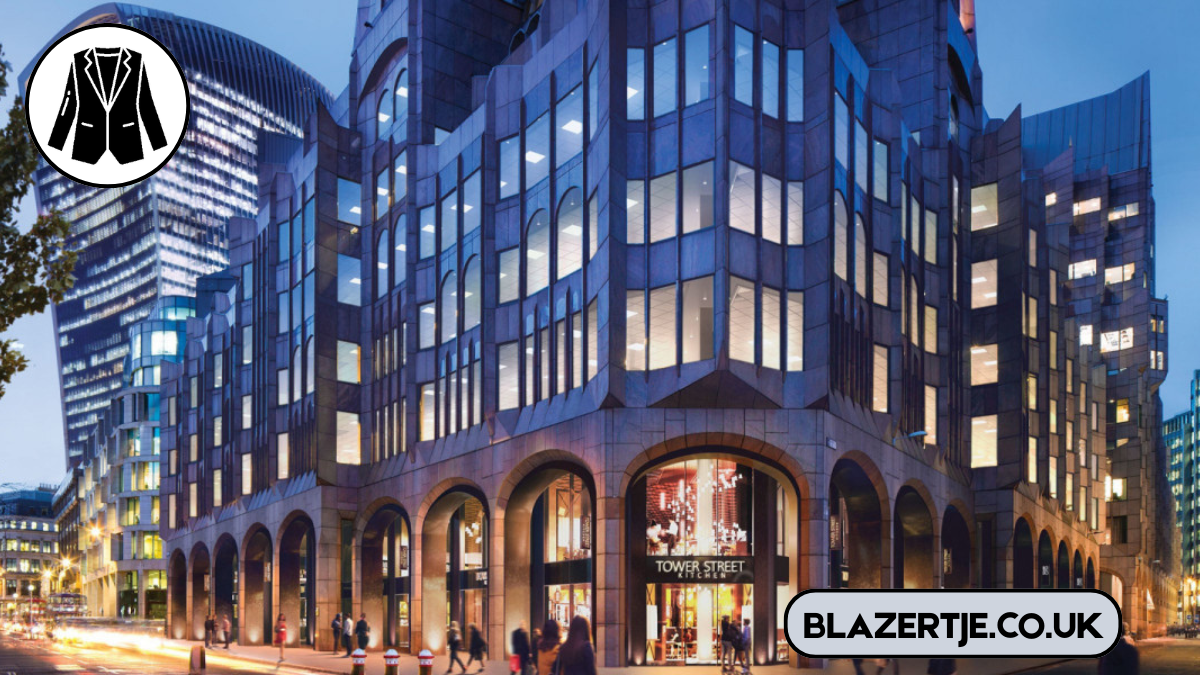
Buildings such as Minster Court highlight the transformation of Mincing Lane City of London into a contemporary business district. While the bustling trading floors of the past no longer exist, the area continues to serve as a commercial hub, housing offices for financial and corporate institutions.
Role in Global Economics
Mincing Lane City of London played a crucial role in shaping global economic systems during the nineteenth and early twentieth centuries. The street functioned as a central point where international prices for commodities were determined, influencing trade networks across Europe, Asia, and the Americas.
The economic importance of Mincing Lane City of London extended far beyond Britain. It acted as a bridge between producers in colonial territories and consumers in Europe, helping establish London as a dominant force in global finance. Its legacy can still be seen in the structure of modern commodity trading markets.
Cultural and Historical Significance
Beyond its economic role, Mincing Lane City of London holds deep cultural and historical significance. It represents an era when trade and empire were closely linked, shaping not only the British economy but also global relationships. The street symbolises the interconnectedness of international markets during a transformative period in world history.
Mincing Lane City of London also reflects the evolution of urban London itself. From medieval beginnings to modern skyscrapers, the street mirrors the city’s growth and adaptation over centuries. Its story is a reminder of how even the smallest streets can hold global importance.
Mincing Lane Today
In modern times, Mincing Lane City of London is quieter compared to its bustling past, yet it remains an important part of the financial district. The street is now surrounded by offices, corporate headquarters, and professional services, continuing its association with commerce in a different form.
Visitors to Mincing Lane City of London today will find a blend of historical significance and modern development. While the tea brokers and spice merchants are long gone, the area still carries the atmosphere of trade and business that defined its earlier identity.
Walking Experience and Nearby Attractions
Exploring Mincing Lane City of London offers a unique opportunity to walk through a space that once shaped global trade. The surrounding streets feature historic buildings, modern architecture, and important financial institutions, creating a contrast that reflects London’s layered history.
Nearby attractions such as the Tower of London and the River Thames add further context to the area’s importance. Walking through Mincing Lane City of London allows visitors to experience the connection between past and present within one of the world’s most influential cities.
Interesting Facts About Mincing Lane
Mincing Lane City of London was once considered the global centre of tea pricing, where decisions influenced markets across continents. This gave the street an economic power far greater than its physical size would suggest.
Another interesting fact is that Mincing Lane City of London was home to some of the most influential trading houses of the nineteenth century. These businesses played a key role in shaping international commerce and establishing London’s financial dominance.
Modern Legacy and Importance
Today, Mincing Lane City of London continues to represent the evolution of global trade. While its role has changed, its historical influence remains significant in understanding how modern financial systems developed. The street stands as a symbol of continuity between traditional trade and modern economics.
Mincing Lane City of London also highlights the importance of location in shaping economic power. Its proximity to ports, markets, and financial institutions allowed it to grow into a global trading hub, leaving behind a legacy that still resonates in today’s financial world.
Conclusion
Mincing Lane City of London is more than just a street within the Square Mile; it is a landmark of global trade history. From its medieval origins to its peak as a tea and spice trading centre, it has played a vital role in shaping international commerce and economic systems.
Today, Mincing Lane City of London stands as a quiet yet powerful reminder of London’s trading heritage. Its legacy continues to influence the identity of the City, making it an essential part of understanding the development of global markets and financial history.
Frequently Asked Questions
What is Mincing Lane City of London known for?
Mincing Lane City of London is known for its historical role as a global centre for tea, spice, and commodity trading during the nineteenth century.
Where is Mincing Lane located?
It is located in the City of London, between Fenchurch Street and Great Tower Street within the financial district.
Why was Mincing Lane important in history?
It was important because it served as a global trading hub where commodity prices were set and international trade was managed.
Is Mincing Lane still used for trade today?
No, it is no longer a trading centre, but it remains part of London’s financial district with modern offices.
Can visitors walk through Mincing Lane?
Yes, the street is open to the public and can be explored as part of walking tours of the City of London.
Also Read: fenstanton uk