

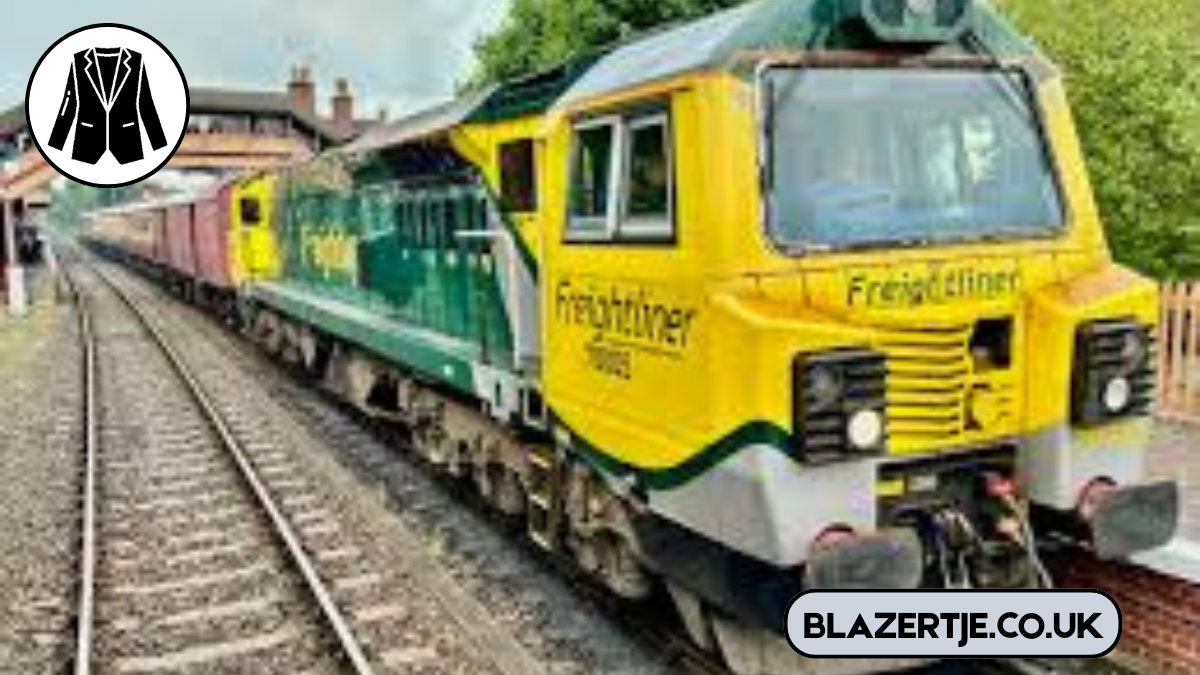
The Class 70 locomotive is a remarkable example of modern freight engineering in the United Kingdom. Designed and built by General Electric in Erie, Pennsylvania, the Class 70 was introduced to bring enhanced performance and reliability to UK freight operations. With its distinctive Co-Co wheel arrangement and powerful diesel-electric engine, the Class 70 quickly became a mainstay for companies such as Freightliner and Colas Rail, handling some of the heaviest and longest freight trains on the network. Enthusiasts and rail operators alike appreciate the combination of robust engineering and practical functionality that the Class 70 offers.
In addition to its technical capabilities, the Class 70 locomotive is known for its striking design and imposing presence on UK rail lines. Its angular cab and powerful engine give it a unique silhouette that is immediately recognisable, making it popular not only for freight work but also among railway photographers and enthusiasts. The Class 70 has established itself as a locomotive that blends American innovation with British rail requirements, creating a reliable and versatile engine capable of serving the UK freight sector for decades to come.
History of the Class 70
The British Rail Class 70 was introduced to modernise freight operations and provide a more reliable alternative to older locomotives. Initially imported in 2009, the Class 70 locomotives were built by General Electric as part of their PowerHaul series. These engines were designed to deliver high horsepower and efficient performance, capable of hauling extremely heavy loads across long distances. Freightliner became the primary operator, recognising the value of these locomotives for both domestic and intermodal freight services.
Over the years, Colas Rail also incorporated Class 70 locomotives into their fleet, expanding the presence of this powerful engine in UK freight transport. The Class 70 quickly developed a reputation for reliability and strength, which allowed operators to maintain more ambitious freight schedules and increase operational efficiency. Comparisons to the earlier BR Class 66 highlighted improvements in fuel efficiency, haulage capacity, and driver comfort, positioning the Class 70 as a modern, forward-looking choice for UK freight operations.
Technical Specifications of Class 70
The Class 70 locomotive is powered by a General Electric PowerHaul engine, producing impressive horsepower that enables it to haul exceptionally heavy freight. Its diesel-electric system is designed for efficiency, ensuring optimal fuel usage while maintaining high tractive effort. The Co-Co wheel arrangement provides stability and smooth operation, even on uneven or steep track segments. This makes the Class 70 ideal for a wide range of freight duties, from container trains to bulk cargo haulage.
Cab design in the Class 70 has been tailored for both performance and operator comfort. Ergonomic controls, clear instrumentation, and advanced safety features ensure that drivers can operate the locomotive efficiently and safely for long periods. Additionally, variations in the Class 70 fleet include diesel and electric options, catering to different operational needs and demonstrating the flexibility of this locomotive in modern UK rail freight operations.
Operations and Fleet of Class 70

Class 70 locomotives are widely used throughout the UK for transporting a variety of goods, from intermodal containers to heavy industrial materials. Freightliner primarily operates the Class 70 on strategic freight corridors, while Colas Rail uses them for heavy haul and infrastructure support. Their ability to handle long, heavy trains reliably has made the Class 70 a preferred choice for operators looking to maintain efficiency and reduce operational costs.
The Class 70 fleet list continues to grow as new units are maintained, refurbished, or introduced. While some locomotives are actively deployed, a small number are stored for maintenance or upgrades. Differences between Freightliner Class 70 and Colas Rail Class 70 mainly relate to livery and minor operational modifications, but performance remains consistently impressive across both fleets. Their versatility allows operators to handle both domestic and cross-country freight requirements efficiently.
Modelling and Collecting Class 70
The Class 70 locomotive has also captured the imagination of railway modelling enthusiasts. Bachmann produces highly detailed N gauge Class 70 models, allowing hobbyists to recreate UK freight operations on miniature layouts. These models accurately reflect the design and performance characteristics of the real locomotives, making them highly sought after among collectors.
Collectors often participate in events such as the Class 70 Locomotive Greatest Gathering, which celebrates the engine’s impact on both the real and model rail world. Owning a Class 70 model not only provides a fun hobby but also serves as a way to appreciate the technical design and historical significance of this iconic UK locomotive. The blend of engineering precision and visual appeal has ensured that the Class 70 remains a favourite among rail enthusiasts.
Cultural Impact of Class 70
Rail enthusiasts and photographers regularly highlight the Class 70 train for its powerful design and striking appearance. While opinions on its aesthetics vary, there is no denying its role in shaping the modern UK freight landscape. Videos, photographs, and online content frequently feature the Class 70, contributing to its popularity and cultural recognition among railway fans.
Beyond its visual appeal, the Class 70 locomotive has played a significant role in modernising freight operations in the UK. Its reliability and hauling capacity have made freight schedules more predictable, helping to maintain supply chains and industrial operations across the country. The Class 70 represents both technological advancement and practical utility, cementing its position as a key player in UK rail transport.
Conclusion
The Class 70 locomotive stands as a symbol of modern British freight innovation. From its powerful diesel-electric engine to its versatile operational capabilities, the Class 70 has transformed how freight is moved across the UK. Operators such as Freightliner and Colas Rail continue to rely on these locomotives to meet growing logistical demands, and their influence on the rail industry will endure for years to come.
The combination of power, reliability, and recognisable design ensures that the Class 70 locomotive remains a favourite among operators, enthusiasts, and model collectors alike. Its impact extends beyond functional freight operations, influencing rail culture and inspiring both professional and hobbyist communities across the United Kingdom.
Frequently Asked Questions
What is the Class 70 locomotive? – The Class 70 is a diesel-electric freight locomotive built by General Electric, operating in the UK with Freightliner and Colas Rail.
How fast can a Class 70 train go? – Class 70 locomotives reach speeds suitable for freight operations while providing strong traction for heavy loads.
Which companies operate British Rail Class 70? – Freightliner and Colas Rail are the primary operators of Class 70 locomotives in the UK.
What makes Colas Rail Class 70 different from Freightliner Class 70? – Differences include livery, minor operational modifications, and fleet management, while performance remains similar.
Can I get a Bachmann Class 70 model? – Yes, Bachmann produces N gauge Class 70 models, popular among collectors and railway enthusiasts.
Where can I see Class 70 freight operations in the UK? – Class 70 locomotives operate on major UK freight routes, including West Coast and East Coast mainlines.
Also Read: harberton devon