

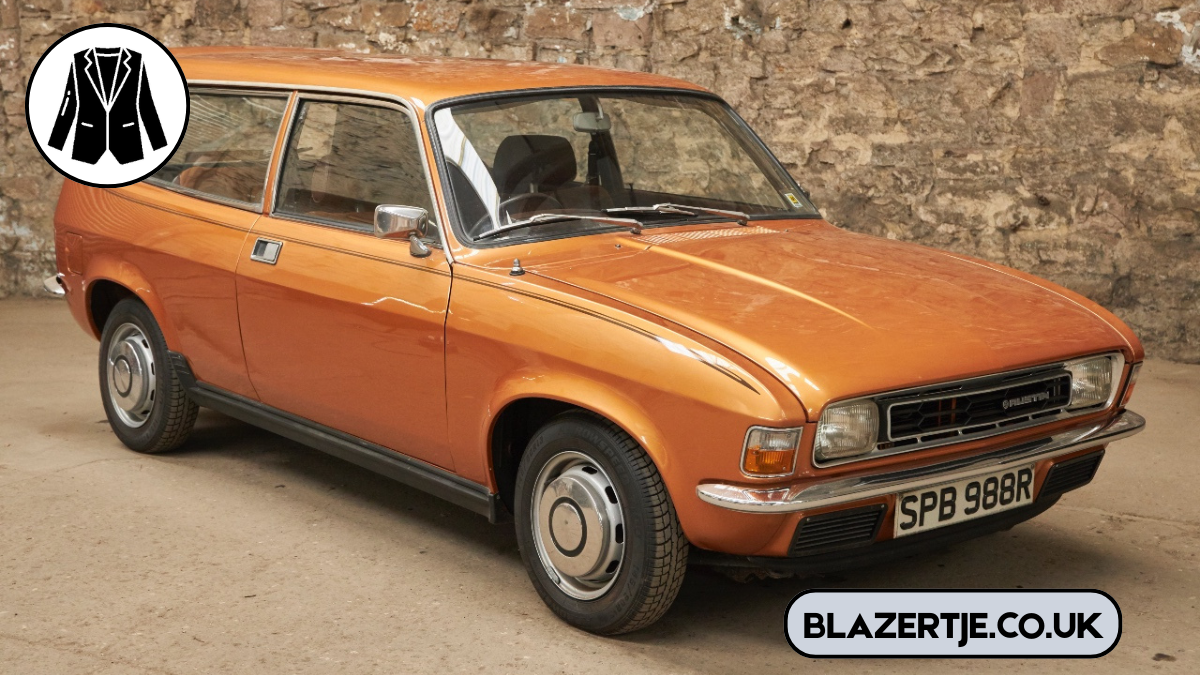
The Allegro Estate Car is one of Britain’s most fascinating classic vehicles, combining unusual styling with practical estate functionality. Produced between 1973 and 1982 by Austin-Morris, part of British Leyland, it became a symbol of British automotive experimentation in the 1970s. Its distinctive design, spacious interior, and quirky features continue to attract collectors, enthusiasts, and curious drivers across the UK, making it a rare but cherished classic today.
Despite its initial mixed reception, the Allegro Estate Car has earned a loyal following over the years. Its innovative Hydragas suspension, practical estate body, and compact engine options made it a unique offering at the time. Today, it is celebrated not only for its charm but also for its ability to reflect an era when British car makers were experimenting boldly with design and engineering. Enthusiasts now view it as a symbol of creativity in classic motoring.
History of the Allegro Estate Car
The Allegro Estate Car was born during a period of transformation for British car manufacturers. Austin-Morris sought to replace the ageing 1100/1300 range with a vehicle that could stand out in terms of practicality and style. The estate version, in particular, offered a versatile boot space and dual-purpose interior that appealed to families seeking everyday functionality. Although innovative, its unconventional styling divided opinion, and sales initially struggled to meet expectations.
Over time, the Allegro Estate Car became a cult favourite among classic car enthusiasts. Variants like the Allegro 1100, 1300, and 1750 offered different engine sizes and trim options, while the estate version remained the most practical and collectible today. Its quirky features, such as the square “quartic” steering wheel and unique suspension system, may have been polarising at first, but they now contribute to its enduring charm and collector appeal in the UK.
Design and Features of the Allegro Estate Car
The design of the Allegro Estate Car was unlike anything else on British roads at the time. Its estate body combined practicality with a distinctive, quirky look that still turns heads today. The vehicle featured an all-steel construction with wax-injected panels and underbody protection, ensuring durability. Inside, the cabin offered an unusually spacious interior for passengers and luggage, making it a surprisingly versatile choice for families in the 1970s.
Innovative features such as the Hydragas suspension system and disc front brakes provided a smooth, comfortable ride and improved handling compared with contemporaries. The interior dashboard was ergonomically designed, though early models included the unusual square steering wheel, which has since become an iconic symbol of the Allegro Estate Car. Collectors now value these distinctive traits as part of the car’s nostalgic appeal, highlighting the inventive design decisions of British Leyland engineers.
Performance and Driving Experience of the Allegro Estate Car
Driving the Allegro Estate Car today offers a unique combination of nostalgia and practicality. Engine options ranged from 1.1 litres to 1.7 litres, with later models offering a 5-speed gearbox that enhanced driving enjoyment. While modest by modern standards, the engines were reliable and efficient for everyday use. The Hydragas suspension system delivered a comfortable, stable ride, particularly suited to long journeys on UK roads and uneven surfaces.
Handling the Allegro Estate Car requires patience and appreciation for its quirks. Steering is less precise than contemporary cars, and cornering can feel unusual to new drivers. However, these very characteristics contribute to its charm, offering a driving experience that cannot be replicated by modern vehicles. For collectors and classic car enthusiasts, the combination of practicality, comfort, and distinctive handling makes the Allegro Estate Car a memorable and rewarding vehicle to own.
Buying an Allegro Estate Car Today
Acquiring an Allegro Estate Car today requires careful consideration, as examples are increasingly rare. Prices vary significantly based on restoration level, model year, and condition. Restored cars can fetch higher prices, while project vehicles offer an opportunity for enthusiasts willing to invest time and effort. Inspecting common problem areas, including rust-prone panels, suspension components, and engine condition, is essential before purchase.
Restoration is both a challenge and a labour of love for Allegro Estate Car owners. While parts can sometimes be difficult to source, online communities, clubs, and specialist suppliers in the UK make restoration achievable. A fully restored Allegro Estate Car not only provides driving pleasure but can also appreciate in value due to its rarity and cult classic status. For collectors, owning this iconic estate is both a hobby and a connection to British automotive history.
Legacy and Collector Appeal of the Allegro Estate Car
The Allegro Estate Car has earned a lasting reputation as one of the quirkiest and most memorable British classics. While initially criticised for its unusual styling and design choices, it is now celebrated by enthusiasts for its unique character and historical significance. Car clubs, online forums, and classic vehicle shows continue to champion the Allegro Estate Car, ensuring its legacy endures for future generations.
Its collector appeal stems not only from rarity but also from the stories and nostalgia associated with it. The Allegro Estate Car regularly features at classic car events and rallies, attracting attention from both seasoned collectors and casual admirers. Its blend of practicality, innovation, and eccentric British charm ensures it remains a standout choice for those seeking a truly distinctive classic vehicle.
Conclusion
The Allegro Estate Car is a unique piece of British motoring heritage, representing an era of creativity, experimentation, and charm. Its distinctive design, practical estate layout, and innovative engineering make it a favourite among classic car collectors. Whether for restoration, driving enjoyment, or historical appreciation, the Allegro Estate Car remains an enduring symbol of British automotive ingenuity, cherished across the UK.
FAQs
What makes the Allegro Estate Car unique?
The Allegro Estate Car stands out for its quirky styling, Hydragas suspension, and practical estate design, making it a classic British icon.
How much does an Allegro Estate Car cost in the UK today?
Prices range from a few thousand pounds for project cars to higher sums for fully restored Allegro Estate Cars depending on condition and rarity.
Are Allegro Estate Cars reliable for classic car enthusiasts?
Yes, with proper maintenance and rust prevention, the Allegro Estate Car can be reliable and enjoyable for collectors and drivers.
What engine options were available for the Allegro Estate Car?
The Allegro Estate Car came with engines from 1.1L to 1.7L, with later models offering a 5-speed gearbox for improved performance.
Is it worth restoring an Allegro Estate Car?
Restoring an Allegro Estate Car is worthwhile due to its rarity, collector appeal, and historical significance in British motoring.
Where can I find Allegro Estate Car clubs in the UK?
Owners can find Allegro Estate Car clubs and communities through online forums, classic car clubs, and enthusiast networks in the UK.
Also Read: king george dock