

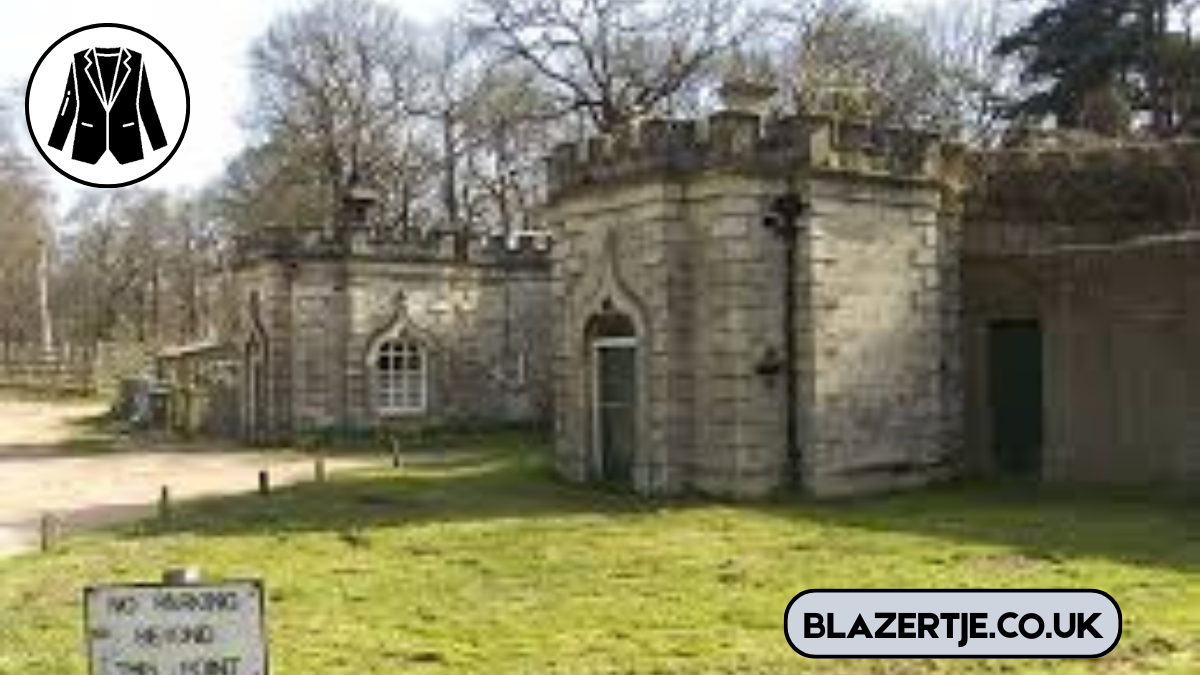
The Welbeck Tunnels are one of the United Kingdom’s most fascinating and mysterious underground networks, hidden beneath the historic Welbeck Abbey estate. Constructed in the 19th century, these tunnels stretch for over ten kilometres and were designed to connect different parts of the estate in secret. They are a testament to the visionary and eccentric personality of the 5th Duke of Portland, who sought privacy, practicality, and grandeur in equal measure.
These tunnels were not merely functional pathways but a marvel of Victorian engineering, combining practicality with imagination. Among the underground corridors, visitors and historians have documented carriage tunnels, subterranean rooms, hidden libraries, and even an impressive underground ballroom. The clever use of skylights and ventilation shafts ensured that these spaces were not oppressive, providing light and air while maintaining secrecy. Today, the Welbeck Tunnels remain a source of intrigue for visitors, historians, and enthusiasts of hidden architecture.
What Are the Welbeck Tunnels?
The Welbeck Tunnels are an extensive underground network that served multiple purposes across the Welbeck Estate. Designed primarily for discreet travel, these tunnels allowed the Duke and his staff to move unseen across the estate, connecting service areas, living quarters, and stables. The tunnels were constructed with meticulous attention to detail, reflecting both functional requirements and the Duke’s fascination with privacy and secrecy.
The network was more than just practical. Certain tunnels were wide enough for horse-drawn carriages, allowing easy movement across the estate without ever stepping outside. Hidden chambers, libraries, and a grand ballroom demonstrate that the Welbeck Tunnels were intended as much for luxury and comfort as for utility. The combination of secret passageways, subterranean living spaces, and clever design elements made the Welbeck Tunnels a unique feature of British architectural history.
The History of the Welbeck Tunnels
The history of the Welbeck Tunnels is closely tied to the eccentric life of William John Cavendish-Scott-Bentinck. A reclusive figure, the Duke preferred to live away from public scrutiny, often avoiding interaction with visitors and neighbours. The tunnels provided a practical solution, enabling him to move across the estate discreetly while maintaining privacy and operational control over the vast property.
Construction of the tunnels began in the mid-19th century and continued over several decades. Skilled labourers carved passageways beneath the estate, linking apartments, service areas, and secret chambers. Each section reflected careful planning and attention to detail, highlighting both the technical ingenuity and the eccentric vision of the Duke. Over time, the tunnels became not only a practical solution for estate management but also a remarkable architectural achievement, attracting curiosity from generations of visitors.
Architecture and Design of the Welbeck Tunnels
The architecture of the Welbeck Tunnels is a blend of Victorian innovation and imaginative design. The tunnels were constructed to accommodate carriages, allowing easy transport of goods and people throughout the estate. Skylights, ventilation shafts, and strategically designed corridors ensured light, air, and safety, making the tunnels practical yet far from mundane.
In addition to utility, the tunnels featured extravagant spaces such as underground libraries and a grand ballroom, illustrating the Duke’s desire for luxury and secrecy. The use of carefully designed arches, sturdy materials, and clever construction techniques highlights the sophistication of Victorian underground engineering. Even today, the architecture of the Welbeck Tunnels captivates historians and visitors alike, standing as a remarkable example of ingenuity hidden beneath a country estate.
Welbeck Tunnels Map and Layout
The layout of the Welbeck Tunnels demonstrates remarkable planning and ambition. The network connects key areas of the estate, including stables, living quarters, and service buildings, forming a vast subterranean maze. Historians have studied old maps and contemporary reconstructions to understand the extent of this hidden world.
While primarily functional, the layout also shows strategic foresight. Some tunnels allowed the Duke to travel unseen, while others connected rooms used for entertainment or storage. The Welbeck Tunnels map, whether historical or modern, illustrates how a Victorian estate could combine secrecy, functionality, and convenience in a single underground system, highlighting the ingenuity of its creator.
Welbeck Tunnels Entrance and Access Points
The entrances to the Welbeck Tunnels were cleverly concealed, reflecting the Duke’s obsession with privacy. Some entrances were hidden in plain sight, such as behind doors or within buildings, while others were completely secret, accessible only to those familiar with the estate’s layout. This careful planning ensured that the tunnels remained secure and private.
Today, many of these entrances are inaccessible to the public due to safety concerns and preservation efforts. A few entrances remain visible, serving as reminders of the estate’s hidden past. The careful concealment of the Welbeck Tunnels entrances highlights the unique combination of practicality and secrecy that defines the estate, capturing the imagination of visitors and historians alike.
Can You Visit the Welbeck Tunnels?
Access to the Welbeck Tunnels is largely restricted, with most areas closed to public entry. The Welbeck Abbey estate itself is open for certain walks and events, but the tunnels remain private due to safety, preservation, and estate policy. Visitors can explore the grounds and learn about the tunnels through exhibitions, guided talks, and historical tours.
For those unable to enter physically, virtual tours and documentaries provide insight into the network’s scale and purpose. Historical maps, photographs, and digital reconstructions allow enthusiasts to appreciate the tunnels without stepping underground. Despite restricted access, the Welbeck Tunnels remain an enduring highlight of the estate, offering a glimpse into one of Britain’s most intriguing underground networks.
Welbeck Tunnels Tour Options
While full tours of the Welbeck Tunnels are rare, the estate occasionally hosts heritage events or guided walks where visitors can learn about the tunnels’ history and design. Guides provide insights into the Duke’s vision, the construction process, and the tunnels’ significance, offering a fascinating experience for history enthusiasts.
Virtual tours, online resources, and educational documentaries also allow visitors to explore the tunnels from a distance. Digital maps, historical photographs, and 3D reconstructions help recreate the experience, showing how the tunnels connected the estate’s buildings and served multiple purposes. These tours ensure that the Welbeck Tunnels continue to captivate audiences despite limited physical access.
Conclusion
The Welbeck Tunnels remain one of the most extraordinary and secretive features of British country estates. Conceived by the 5th Duke of Portland, they represent a remarkable combination of privacy, ingenuity, and architectural ambition. From hidden entrances to grand underground chambers, the tunnels reflect both practical and imaginative solutions to estate management and personal privacy.
Even though the tunnels are mostly closed to the public, their history and engineering continue to fascinate historians, architects, and curious visitors. Exploring the estate, studying the tunnels’ layout, and understanding their purpose reveals a unique hidden world beneath Nottinghamshire. The Welbeck Tunnels remain a symbol of eccentricity, innovation, and enduring fascination.
FAQs
What are the Welbeck Tunnels?
The Welbeck Tunnels are an extensive underground network beneath Welbeck Abbey, connecting living areas, service buildings, and hidden chambers.
Where are the Welbeck Tunnels located?
They are located beneath Welbeck Abbey within the historic Welbeck Estate.
Who built the Welbeck Tunnels and why?
They were built by the 5th Duke of Portland to allow discreet travel and maintain privacy across the estate.
Can you visit the Welbeck Tunnels today?
Public access is limited; some guided tours and exhibitions provide information about the tunnels.
Is there a Welbeck Tunnels map available?
Historical and digital maps exist showing the tunnels’ layout and connections across the estate.
Where is the entrance to the Welbeck Tunnels?
Several entrances are hidden throughout the estate, with only a few accessible today.
Are there guided tours of the Welbeck Tunnels?
Occasional heritage events and guided tours offer insight, but full access is restricted for safety reasons.
Also Read: birmingham and midland institute